Watch Guide · Published · Updated September 2026
How to Buy a Pre-Owned Luxury Watch
Check a watch in this order. First, look at its condition grade. Next, check the box and papers. Then read the reference number. Last, check for aftermarket parts (parts added after the factory). Each check changes what the next one means. Get these four right first. Then the brand and style are easy choices.
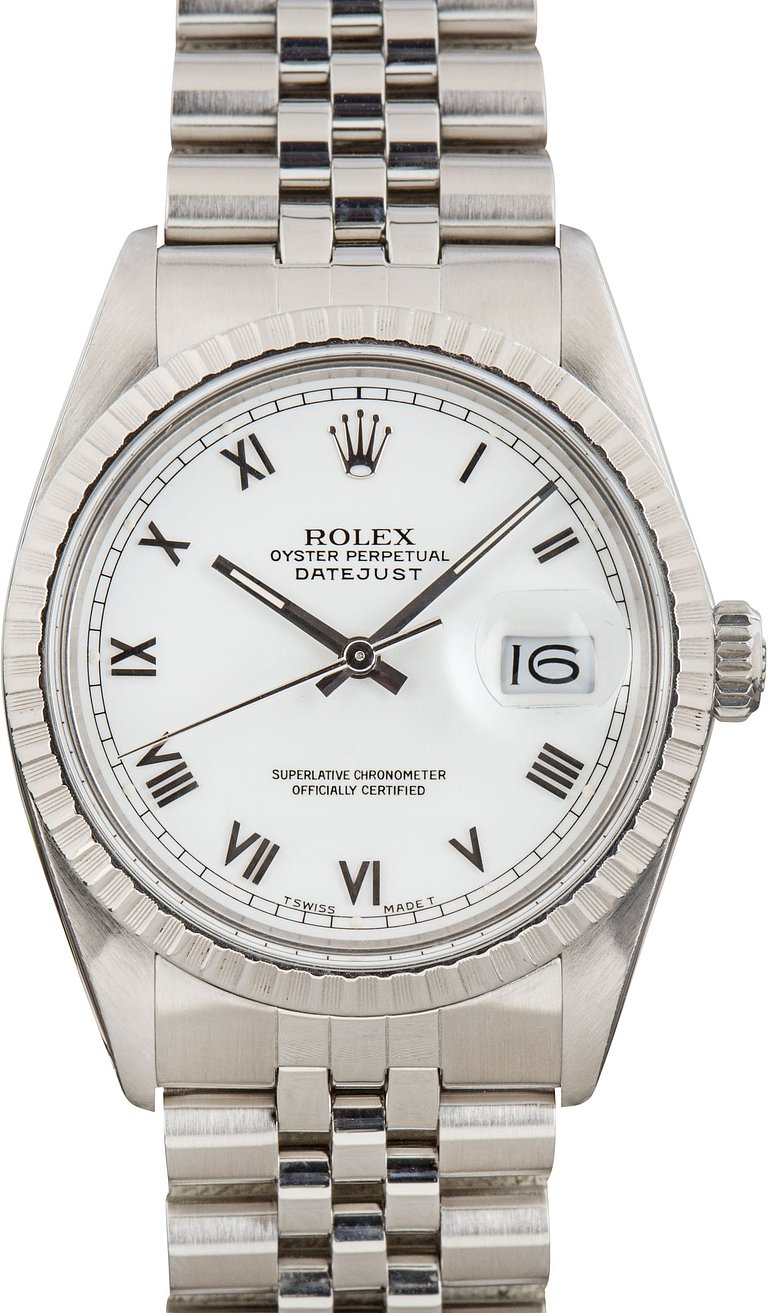
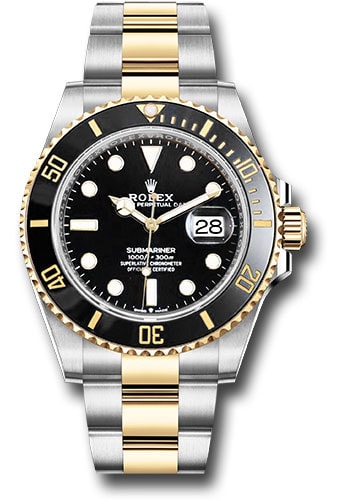
What do the condition grades mean?
Every watch on this site gets one of six condition grades. Each grade describes a real, checkable state of the watch. It is not just a marketing word. Here is what each grade means on our listings.
- Unworn — never worn on a wrist. The case, bracelet and crystal show no signs of use. But the watch itself may still be a few years old.
- Mint — worn, but only very lightly. Nothing shows to the naked eye. A watchmaker using a loupe (a small eye magnifier) might find a tiny mark. But you would not notice it day to day.
- Excellent — light wear from careful, occasional use. You may see faint marks on the bracelet clasp or the case back. Nothing shows on the crystal or dial.
- Very Good — wear you can see, from regular use. Fine scratches show on the case and bracelet. None of this affects how the watch works.
- Good — clear signs of daily wear over the years. Deeper marks show on the case and bracelet links. The watch still works fully and can still be serviced.
- Pre-Owned — our catch-all term (a broad label) for honest, visible wear. This wear does not fit neatly into the grades above. The listing itself spells out the details.
These grades are a starting point, not the full picture. Always check the photos and the written description too. The grade tells you where to look. It does not show you everything. Wear is only half the story. A watch can look perfect and still need service. Most mechanical watches (watches with gears, not batteries) can need service every few years, no matter how new the case looks. Ask us about a watch’s service history before you buy.
We give one grade per watch, not per part. Say a watch is graded Excellent but has a new crystal or a re-lumed dial (the glow-in-the-dark paint was redone). We call that out in the listing text. We do not hide it inside the grade. If a grade and a photo ever disagree, trust the photo. Then ask us. We would rather fix a listing than have you find a surprise after the watch arrives.
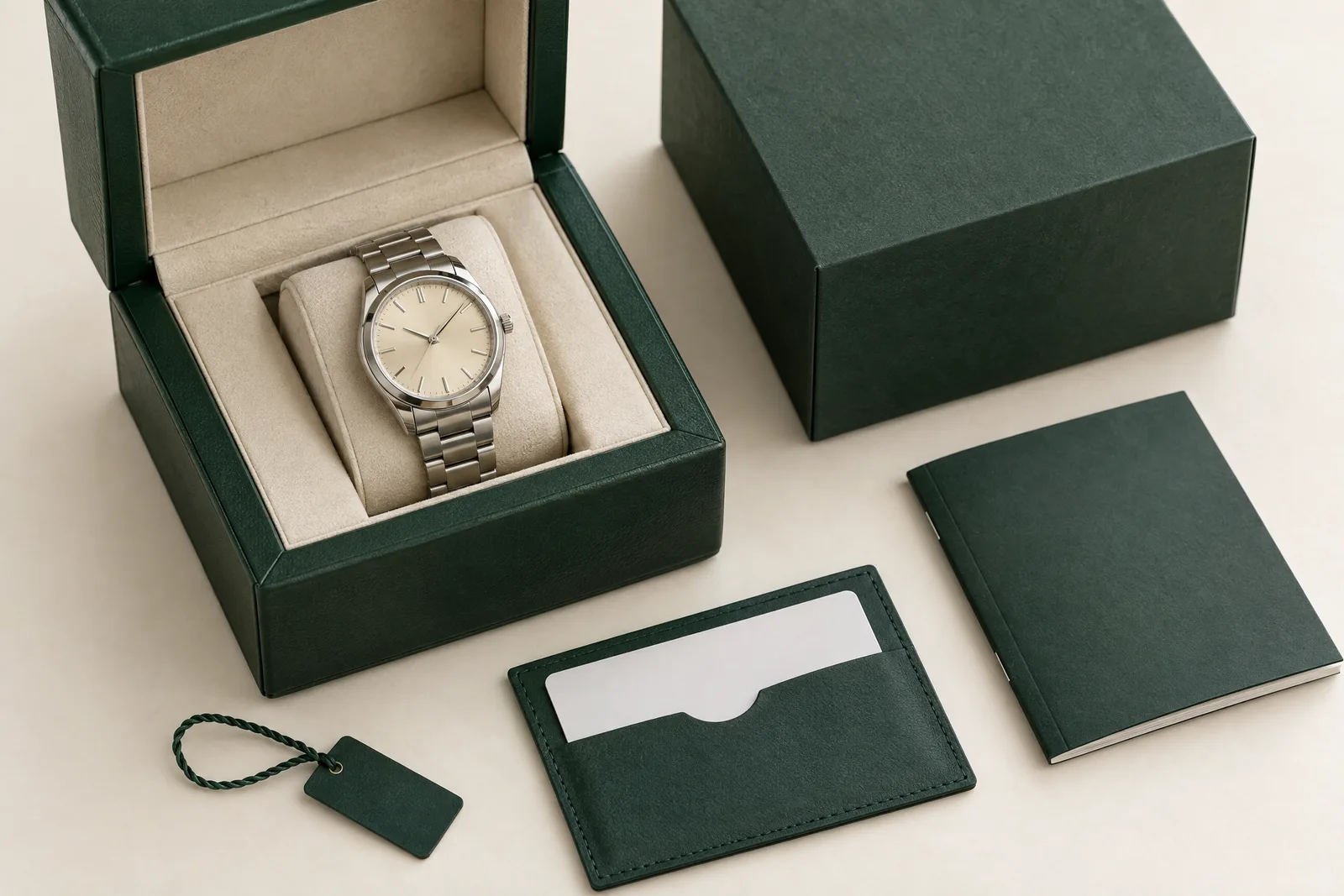
What is a full set, and why do papers matter?
Full set means the watch has its original box and papers. The papers are usually a warranty card or certificate. That card often shows the reference number. It may also show a purchase date or a production date. A watch with no box and no papers is called naked in the trade (the industry’s own word for it). We always say which one applies on our listings. We never call a naked watch a full set, or the other way around.
Papers matter for two reasons:
- They help show when a watch was made or first sold. This can raise the value of rare references more than common ones.
- A full set is easier to resell later. The next buyer sees the same proof you did.
This does not mean a naked watch is a bad watch. Many well-cared-for watches lost their box and card years ago. The price shows this difference. The condition grade does not. A warranty card usually shows the reference number. It may also show a purchase date or a ship date. This card is not a guarantee from us. It is the maker’s own paperwork from the first owner. Some full sets include extra items too, like a spare bracelet link, a manual, or a travel case. If a listing has any of these, we say so directly. We do not just lump it into the words “full set.”
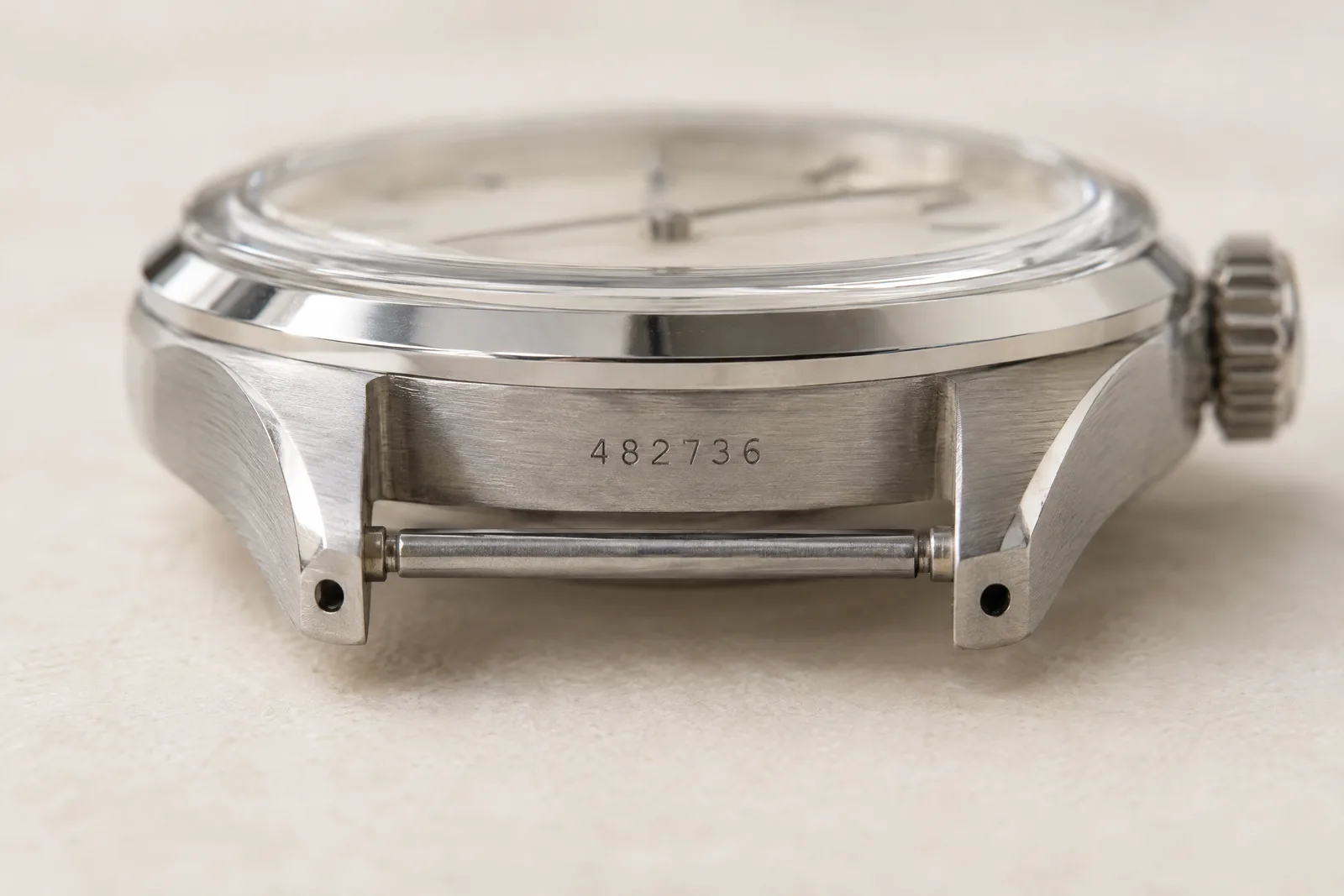
How do I read a reference number?
A reference number is the maker’s code for a watch. It is not the same as a model name. The reference identifies the case, the bracelet, the dial and the bezel together. Every listing and every price guide uses this number. Two watches can share a model name and still be very different watches. Once you compare reference numbers, you see the real difference. The reference points to the exact setup: metal, bezel type and dial color. It is not just the general model family.
We do not publish the serial number online. This is on purpose. A serial number is unique to one exact watch. Rolex, for example, moved its serial off the visible case and hid it between the lugs (the metal arms that hold the bracelet). They did this so a serial could not be easily copied onto a different watch. If you want to see a serial before you buy, just ask. We will show it to you in person or on a call.
The reference number also decides which parts fit a service repair later. A bracelet, clasp or bezel from one reference may not fit another. This is true even inside the same model family. Makers often change references over time. They may add a new movement (the mechanism inside), resize the case, or drop a bracelet style. If two watches share a model name but have different reference numbers, treat them as two separate choices. Do not treat them as two versions of the same watch.
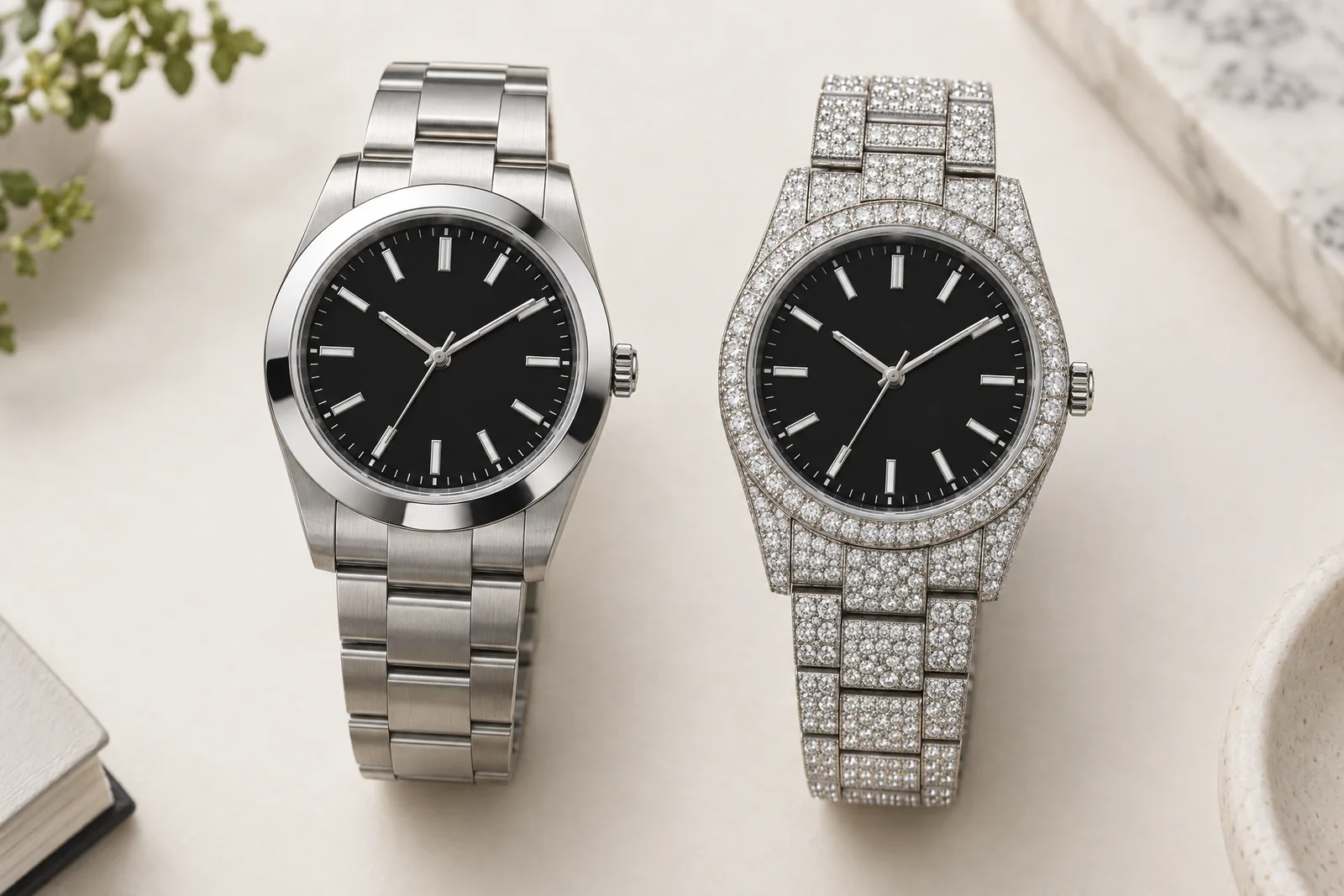
What about iced-out or aftermarket parts?
Some of our pre-owned watches were changed after they left the factory. The most common changes are an iced-out bezel or dial (aftermarket diamonds added to a normal watch), or an aftermarket bezel insert swapped in for the original one. Neither change is rare in the resale market. Neither one makes a watch fake. The case and movement are still made by the original maker. But both changes affect two things a buyer should know.
First, value. A factory-original watch, in the same reference and condition, is usually worth more. The next buyer loses the choice of an unaltered piece. Second, service. A maker’s own service center may refuse to service a watch with non-factory parts. Or they may ask you to restore it to the original spec first. That adds a cost to plan for. We flag any aftermarket or iced-out work right in the listing. We do not leave it for you to spot in the photos.
If icing or a changed bezel is exactly what you want, that is a fine reason to choose one of these watches. Many buyers like the look. They knowingly trade some resale value for it. This section is not here to steer you away from a modified watch. It is here so you know exactly which watch you are looking at before you decide.
How buying works here
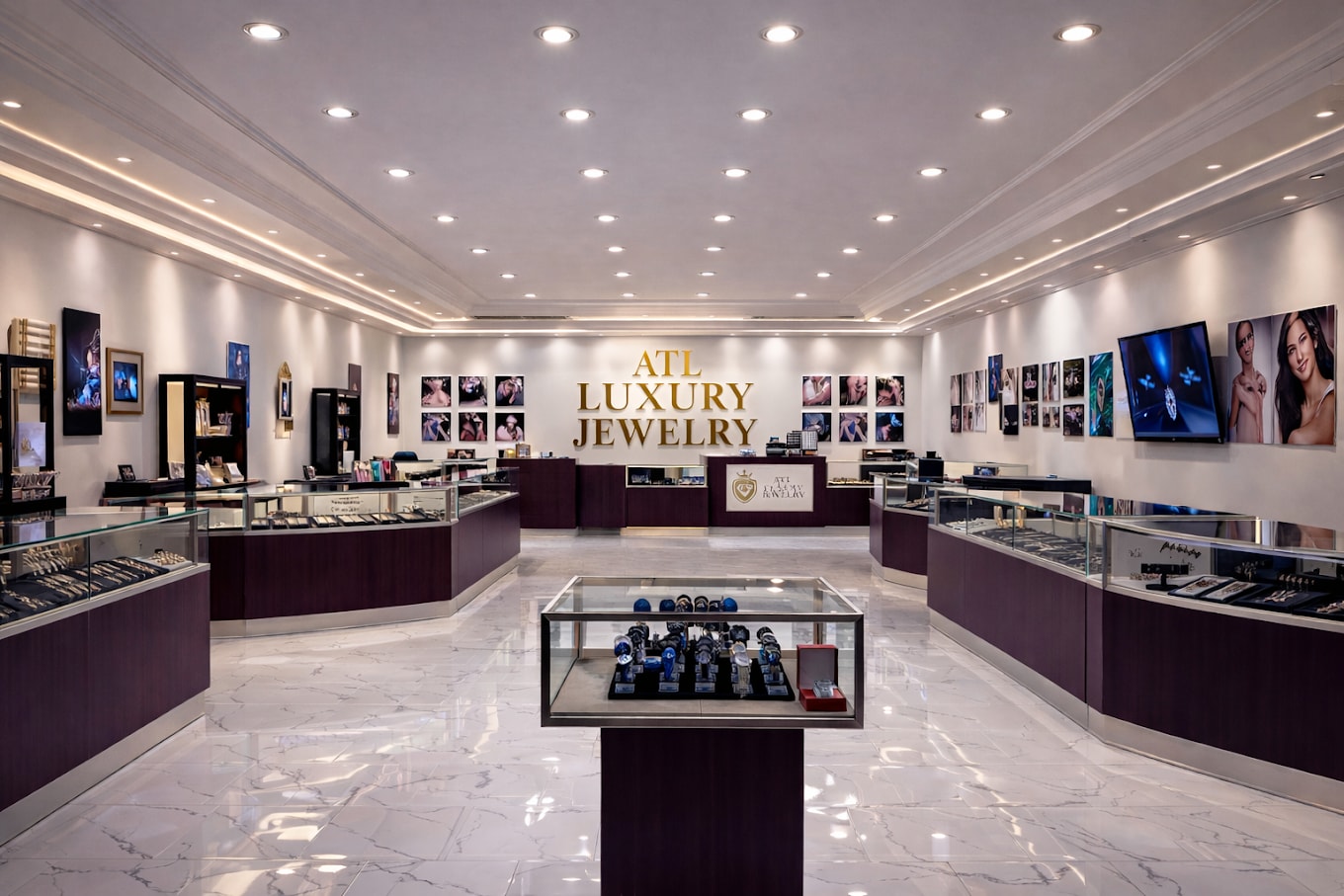
Because feed watches are not held in our showroom the way our in-store jewelry is, buying one from us follows a specific sequence: you call or message us, pay by wire transfer, and we buy the piece in from our supplier. It ships to you, or you can collect it at our Snellville showroom. You’ll hear from us as soon as it’s on its way.
Payment is by wire transfer, in full, before we order the watch. All sales are final — we do not offer returns or exchanges, so take the time you need to ask questions before you decide.
This is also why we do not say a watch is already on our shelf. It is also why we do not offer a same-day, no-appointment try-on. The watch is not really with us yet, not until we have bought it. If timing matters, like for a gift or an event, tell us the date early. We will tell you if that exact watch can make it in time.
Where to start, by brand
Each brand we carry has its own page, linked below. If you already know the brand you want, go straight there. Each brand page lets you filter by model, price and condition.
- Rolex is by far our biggest brand here. It spans sport watches, like the Submariner and the GMT-Master II. It also spans dress watches, like the Datejust and the Day-Date. If you want a used Rolex in Atlanta, start on the Rolex page.
- Cartier covers the design-forward side of our collection. Pieces like the Santos and the Tank look as much like jewelry as like watches. Cartier tends to suit someone who wants a watch that looks different from everyone else’s.
- Audemars Piguet is home to the Royal Oak family. It has an eight-sided bezel (the ring around the watch face). Its bracelet connects straight into the case. This design defined the modern luxury sports watch.
- Patek Philippe is the brand collectors chase the most. Its watches tend to hold their value well. Many even go up in value over time on the resale market.
- Girard-Perregaux is a quieter, independent maker. It builds its own movements (the mechanism inside the watch) in-house. Look here if you want a watch fewer people will recognize on sight.
- MB&F is the most unusual brand on this list. Its watches are mechanical art, built in tiny numbers. It suits a buyer who wants a watch that is clearly not off the shelf.
Frequently Asked Questions
Related guides & collections
- Luxury watch brands explainedWhat sets each brand we carry apart.
- Rolex models explainedEvery current Rolex model line, compared.
- Shop all pre-owned luxury watchesBrowse the full live inventory, faceted by brand and price.
- Watch service and repairBattery, bracelet sizing, and movement servicing at our Snellville showroom.
Buying pre-owned?
Have Questions Before You Buy?
Book a consultation or send us the reference you're after.
Prefer to talk? Call (704) 684-7530