Repair Guide · Published · Updated September 2026
How Long a Jewelry Repair Takes
Resizing a ring most often takes 3–7 business days, and many simple gold sizings can be done the same day — what moves that number is the metal, how many sizes you’re changing, and whether stones sit near where the band gets cut.
Our online estimator gives you a turnaround alongside a price for any of our seven repairs, in about a minute. Anything unusual — a hidden crack, an antique setting, a stone that needs its own attention — gets looked at on the bench before we promise a date.
Ring sizing
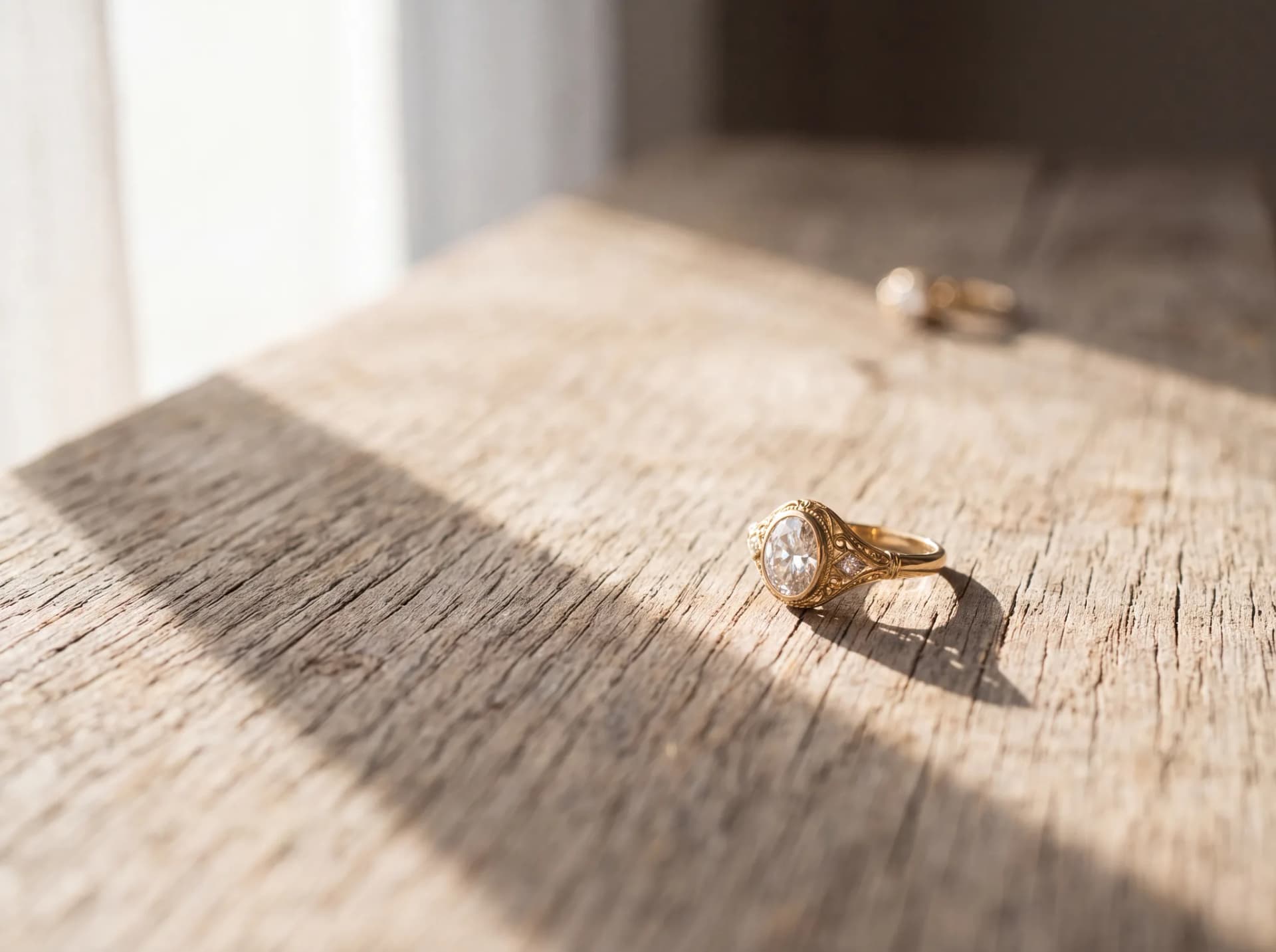
A straightforward gold band, sized a size or two in either direction, is the fastest job on this list — often ready the same day you drop it off, and almost always within 3–7 business days. A band with a few stones set near the bottom of the shank, where the jeweler makes the cut, takes a little more care, since each stone near the join has to be protected while the metal is heated. A two-metal ring, or one combining a precious metal with a harder alloy, needs the right approach for each material and usually lands toward the longer end of that range. Platinum is its own case: it needs specialized equipment and higher heat than gold, so a platinum resize typically takes 5–7 business days rather than three. Sizing is always done in whole or half sizes — the jeweler rounds to the nearest half size the piece will actually take — and the band is polished before it comes back to you, all within the same visit to the bench. For the full breakdown of what does and doesn’t size the ordinary way, see how ring resizing actually works.
Soldering and joining
Joining two rings — a wedding band and its engagement ring, most often — is usually ready in a few business days, and a simple join on plain gold bands is sometimes done the same day. Reattaching a loose setting or fixing a crack in a shank follows the same timeframe, since it’s the same soldering technique applied to a different spot on the ring.
A snapped chain is one of the quickest repairs we do. A simple break in a single link is often same-day; a more delicate chain, or an antique one that needs careful handling, takes a little longer while the jeweler works at a slower pace to protect the piece.
Bracelets take the everyday wear that chains and rings don’t always see, so a broken link, a worn solder joint, or a bent clasp is a common repair. Most bracelet repairs are ready within a few business days, and a simple link repair is sometimes same-day, the same as a chain.
Earring posts and backs are usually the fastest of the group — same-day or close to it, since the repair is small and contained. Hoops and dangle earrings, which involve more soldering and sometimes a hinge or a wire, are usually ready within a few business days instead.
Finishing and replating
A polish is the quickest finish we offer. Because it’s a shorter job than most repairs, most polishing is same-day or close to it — the piece goes on the wheel, gets buffed and cleaned, and is ready to go. A brush finish, a hammer finish, or a similar surface texture takes a comparable amount of bench time to a polish, since the work is on the surface rather than the structure of the piece.
A full replate is a different kind of job. White gold that’s worn dull needs its old rhodium stripped before a new coat goes on, and the piece has to be fully cleaned and prepped between those steps rather than simply buffed. We don’t have a fixed range to quote here in the guide — bring the piece in, or run it through the estimator, and we’ll give you an exact date once we’ve seen how much of the old plating has to come off. For why white gold needs this in the first place, read why white gold turns yellow.
Pearl restringing
Restringing is measured in days, not hours. Most strands are ready within a few business days, and two things move that number: the length of the necklace, since every pearl or bead has to come off the old string and go back on the new one by hand, and whether it’s knotted. Knotting ties a small overhand knot between each pearl, so if the strand ever breaks again you lose one pearl instead of the whole necklace. It’s how nearly all fine pearls are strung, and it takes longer to tie than a plain strung necklace of the same length. The adhesive at the clasp also needs time to fully set before the piece is ready to wear, which is part of why this repair doesn’t come back the same day even for a short strand.
Get a price and a turnaround
Pick your repair and answer a few questions. Priced off today’s gold and silver, with an estimated turnaround alongside it.
What do you need done?
Answer a few questions and get a price range in under a minute. It is free, and there is no obligation to book anything.
What makes a repair slow
A few things push a repair past its usual range. The most common is a stone: if a piece needs a replacement stone that isn’t already on our bench, we have to source it first, and that wait is outside our control, separate from the work itself. A repair that needs a decision from you — a choice between two ways to fix something, or a question about whether a part is worth saving — pauses until we hear back, so the clock only really starts once you’ve answered. We’d rather call and ask than guess and redo the work.
Antique and heirloom pieces move slower by design. Old settings, worn engraving, and metal that’s thinner than it looks all call for a careful, unhurried approach rather than the pace of a routine repair, and we’d rather take the extra time than risk the piece. And sometimes a repair turns out to be two repairs once it’s actually on the bench — a loose stone found during a resize, or a crack that only shows up once the old plating comes off. When that happens, we call before doing the extra work, not after.
Is it worth repairing at all
Most of the time the answer is obviously yes — a resize, a solder, a new clasp. But a few pieces are worth a second look before you commit to a repair. If a piece has failed the same way more than once, a chain that’s broken in three different spots over the years, for example, the next break is often just a matter of time, and it’s worth asking whether a replacement makes more sense than repeatedly repairing the same weak points.
Sentiment changes that math. A ring that belonged to a grandparent, or the first piece your partner ever gave you, is worth repairing even when the repair is involved, simply because the piece itself can’t be replaced. We’ll always tell you honestly which category your piece is in — heavily worn but structurally sound, genuinely at the end of its life, or somewhere in between — before you decide anything. This isn’t a sales pitch either way. Some pieces really are better retired than repaired again, and we’d rather say so than take the work.
Bringing a piece in
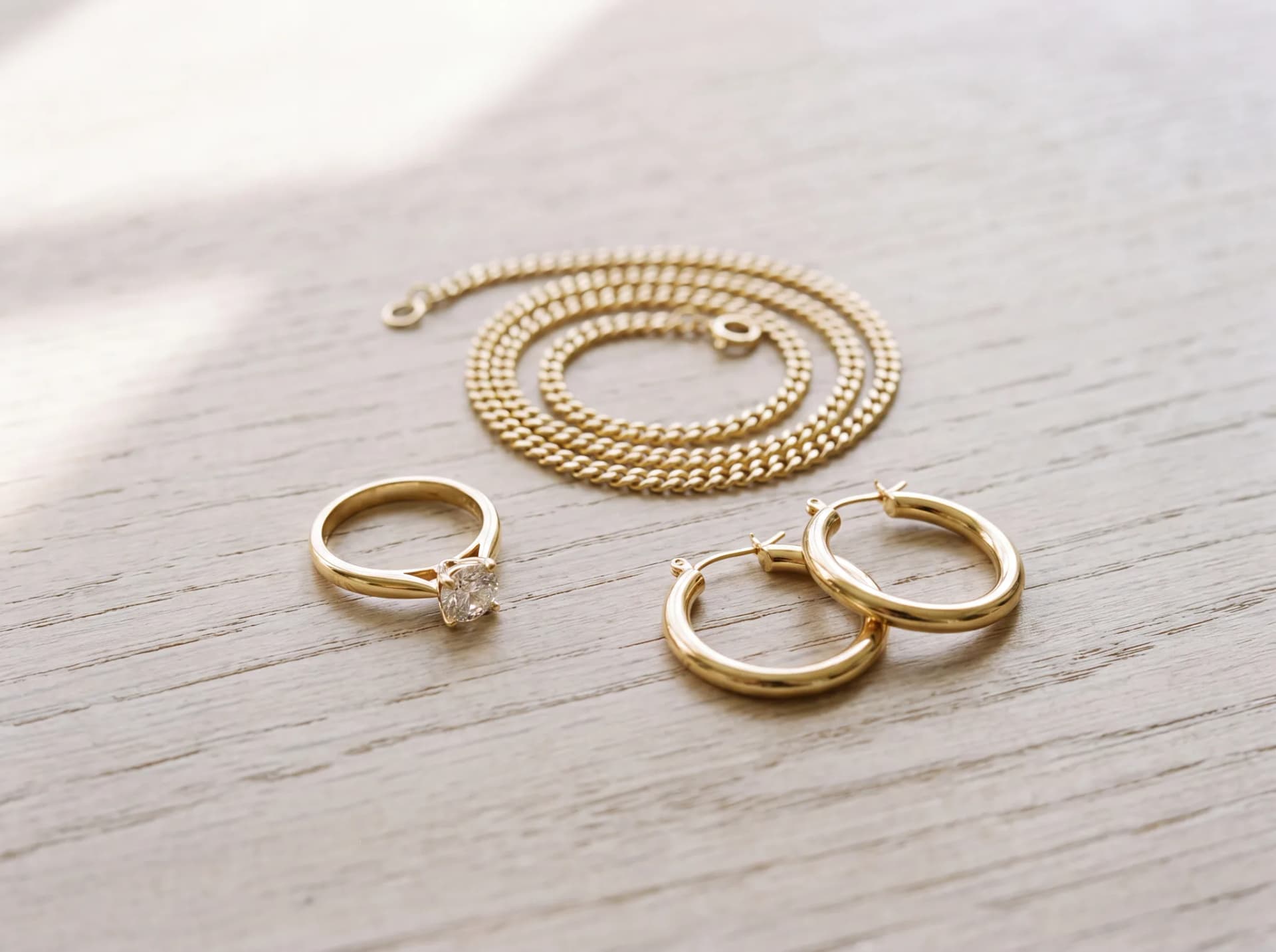
Every turnaround above is a starting point, not a guarantee — the exact date comes once we’ve actually looked at your piece. Bring it to jewelry repair in Atlanta at our Snellville workshop for a free estimate, or book a repair drop-off ahead of time so we’re expecting you. Everything is done in-house on our own bench, fully insured while it’s with us, and never shipped out to a third party.
Frequently Asked Questions
Related guides & collections
- Jewelry repair in AtlantaAll seven in-house services and free estimates.
- Earring repair in AtlantaPost and back repairs, often same day.
- How ring resizing actually worksWhat happens at the bench when a band is cut and rejoined.
- Broken chain repair, explainedWhat a snapped link or clasp repair actually involves.
- Engagement ring metals comparedHow gold, platinum, and their alloys behave over years of wear.
Free estimate, no obligation
Bring It In and We'll Give You a Date
We look at every piece on the bench before promising a turnaround. Call (704) 684-7530 or book a drop-off at our Snellville workshop near Atlanta.
Prefer to talk? Call (704) 684-7530