Engagement rings in Atlanta
Explore engagement ring styles — solitaire, halo, three-stone and two-stone — set with the center diamond you choose, natural or lab-grown. Every center stone over half a carat is independently graded.
Visit the showroom — 1905 Scenic Hwy, Suite 230, Snellville, GA 30078 · (704) 684-7530
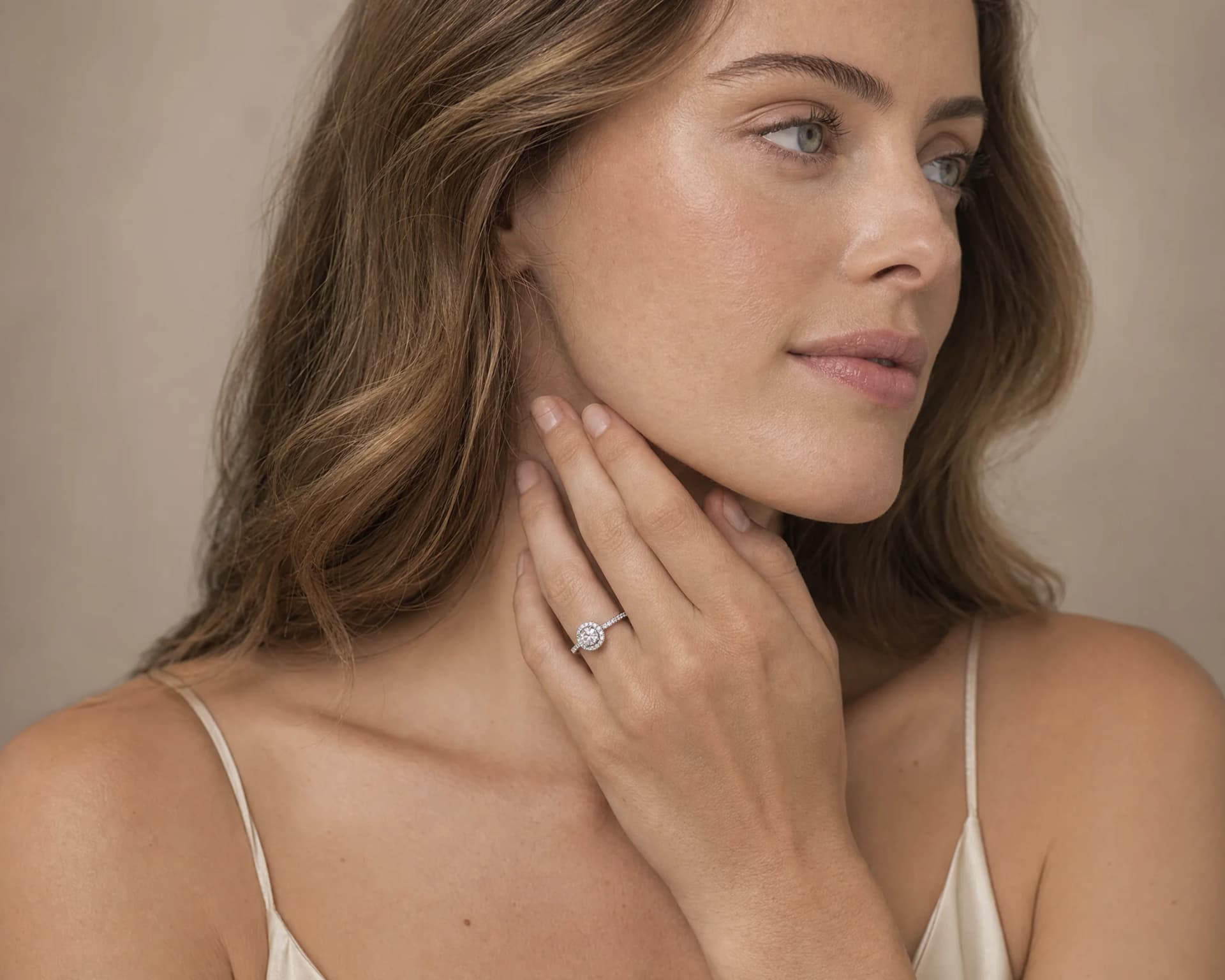
Seven unique silhouettes, one for every story.
Each style changes how the center stone reads — its size, its sparkle, and how it wears day to day. Browse the silhouette that suits your future-spouse's taste, then customize the metal, the center stone, and the band. New to settings? Read the ring styles guide →
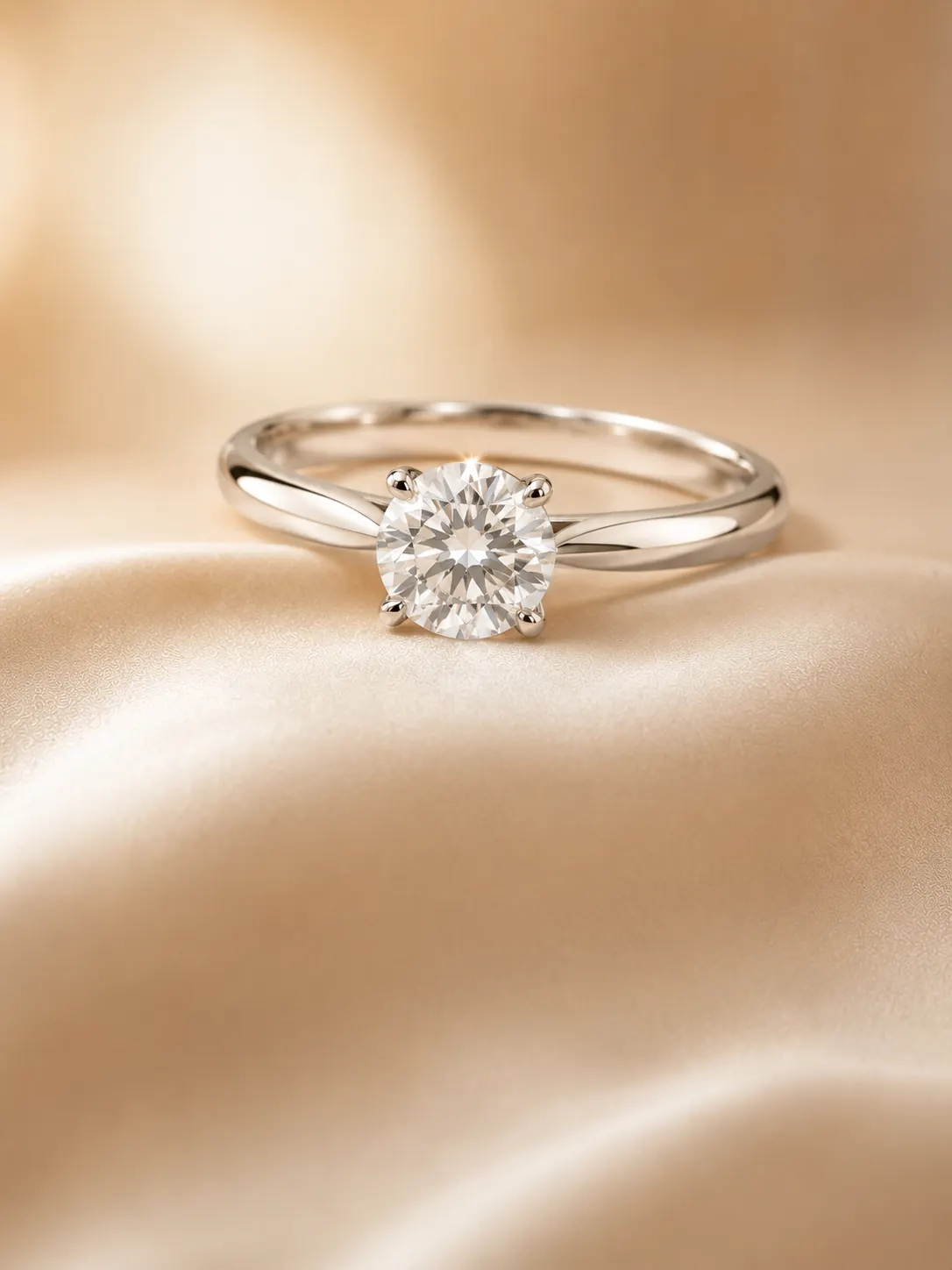
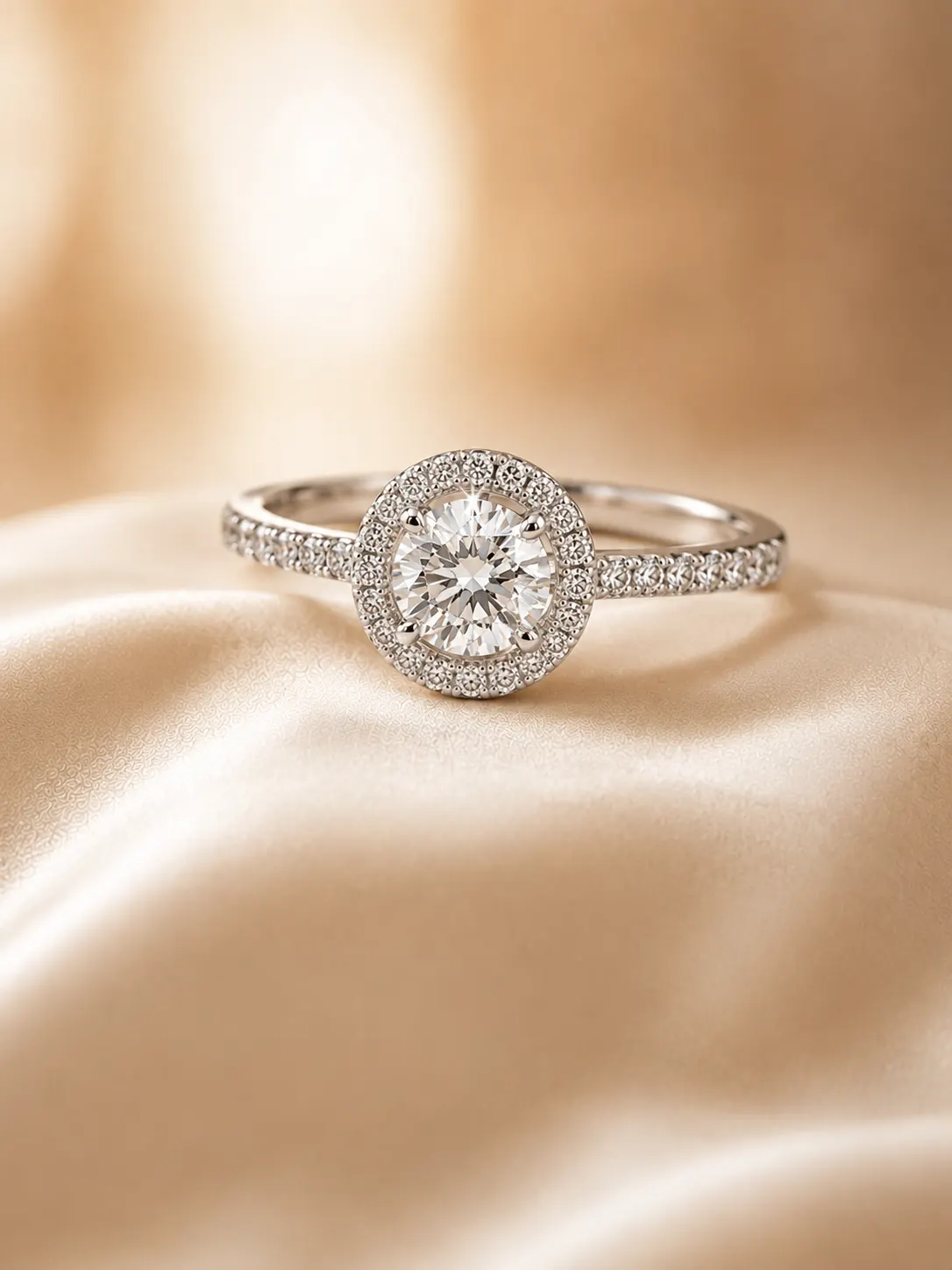
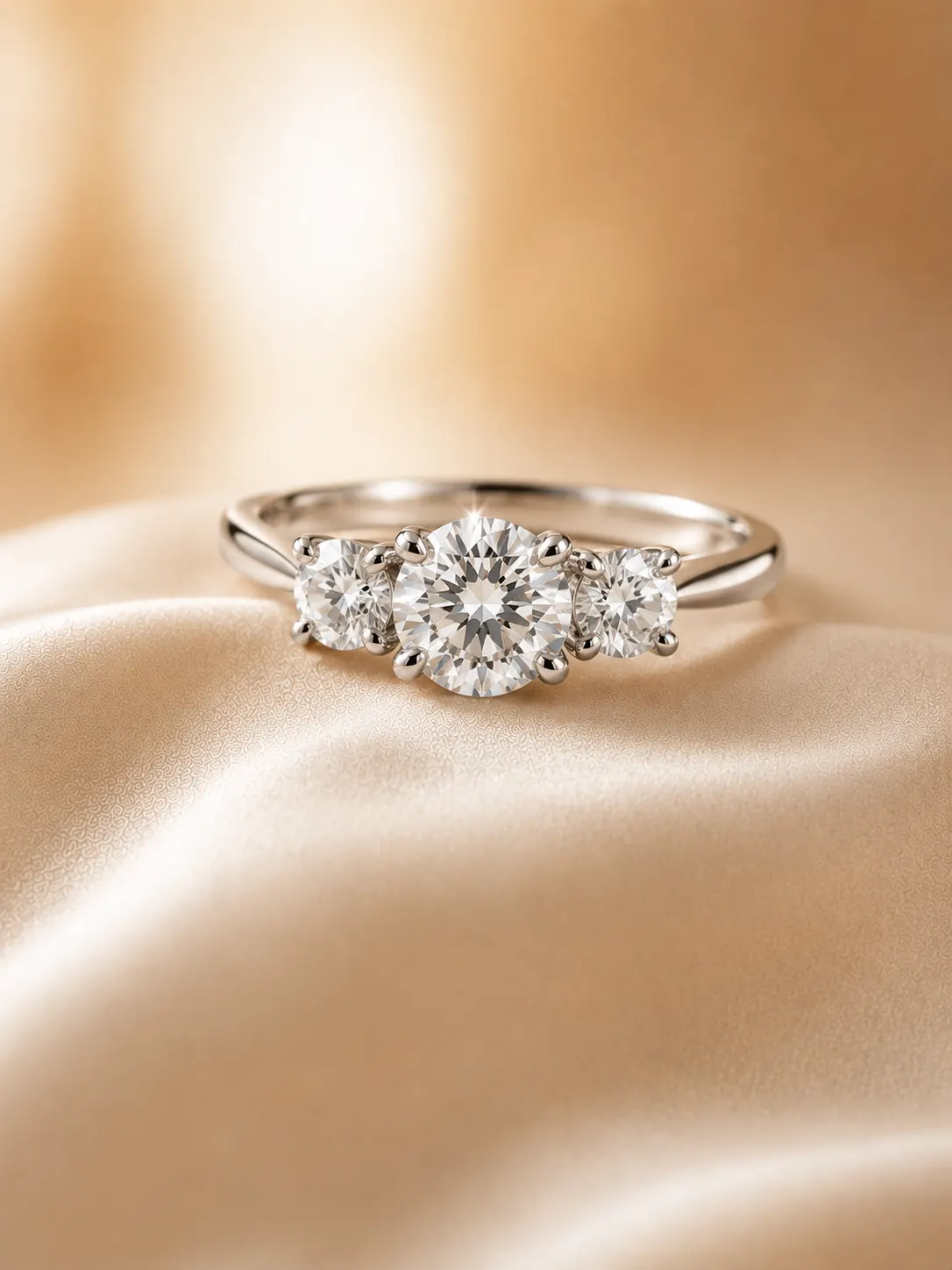
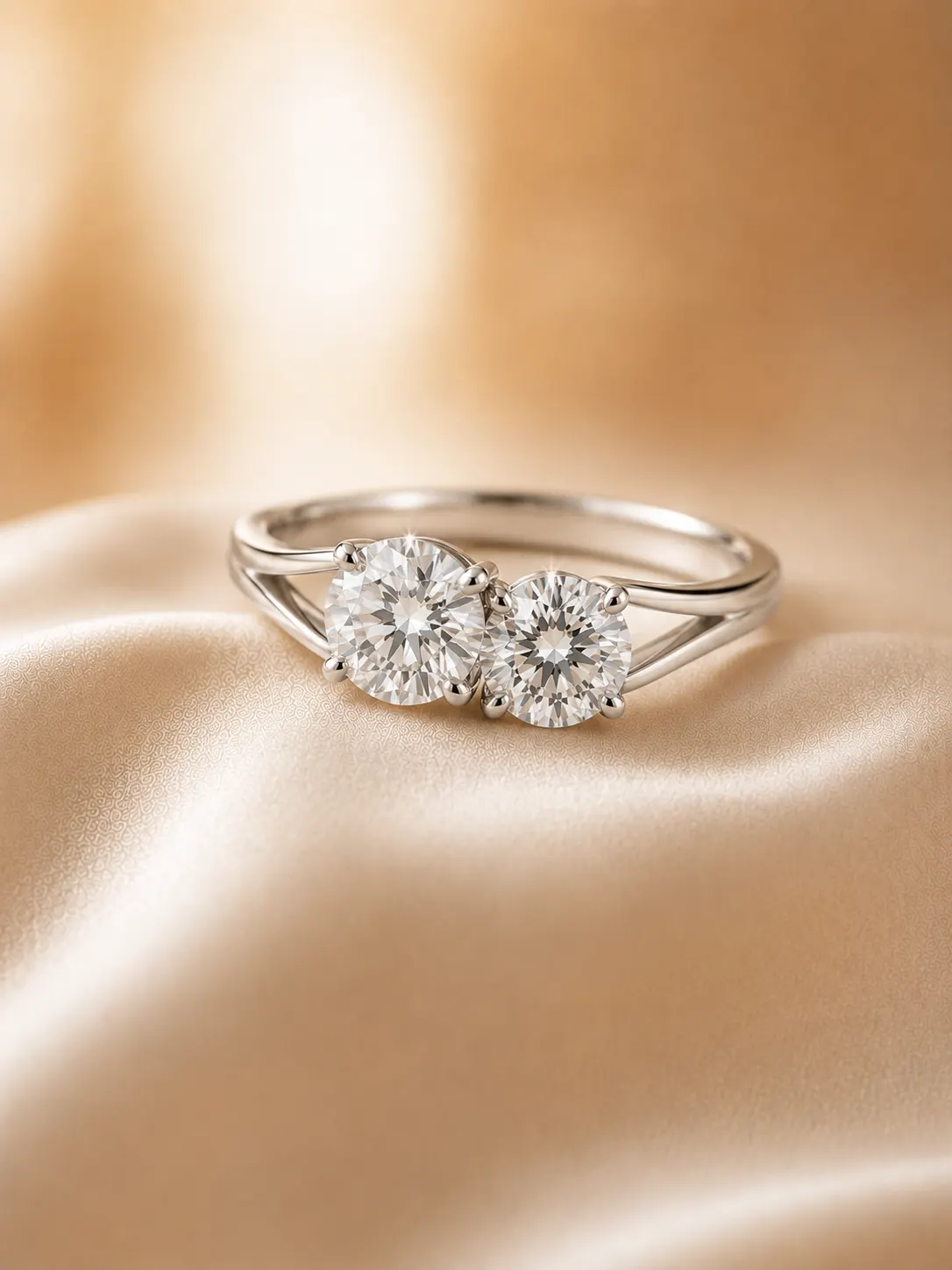
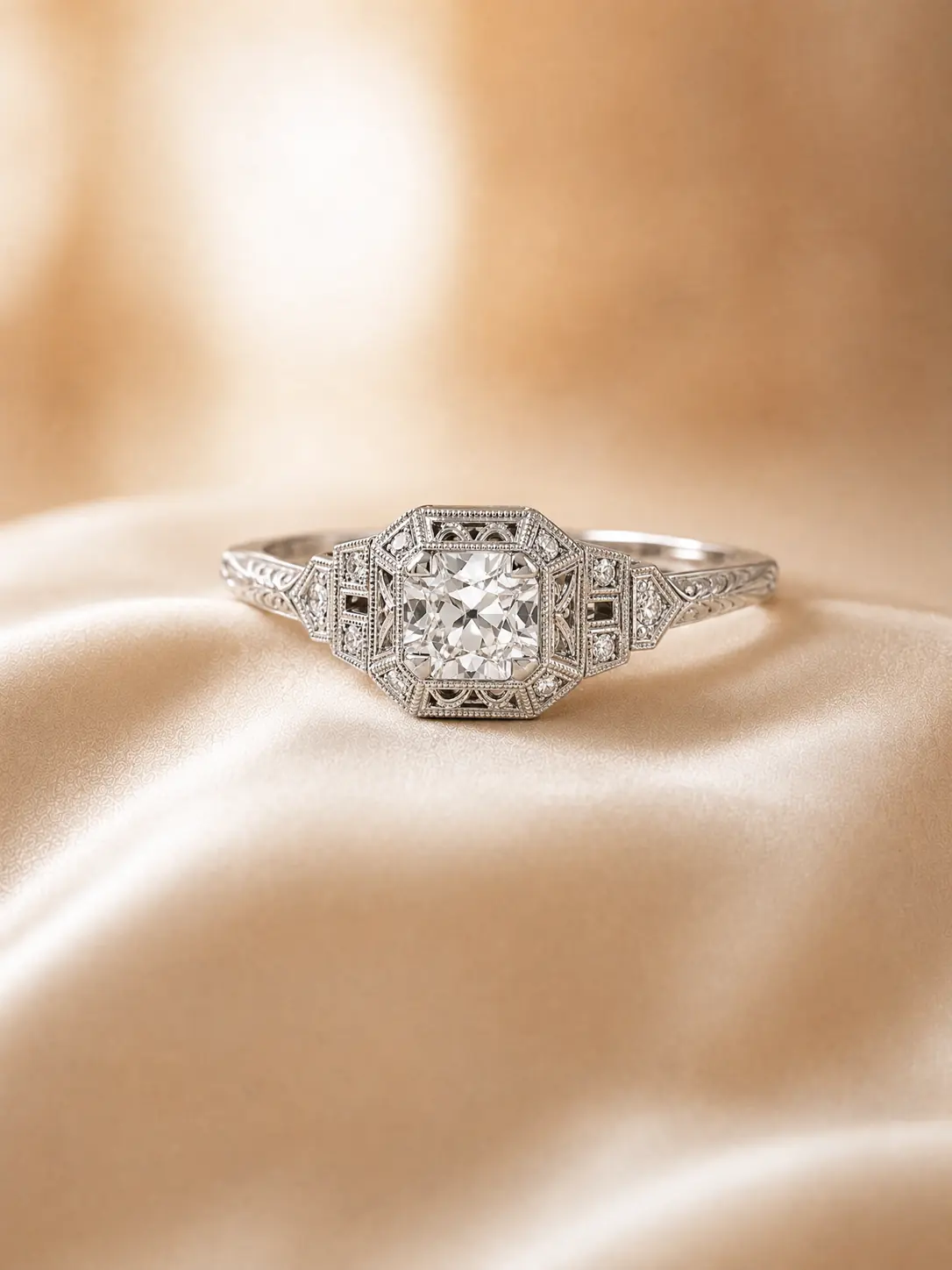
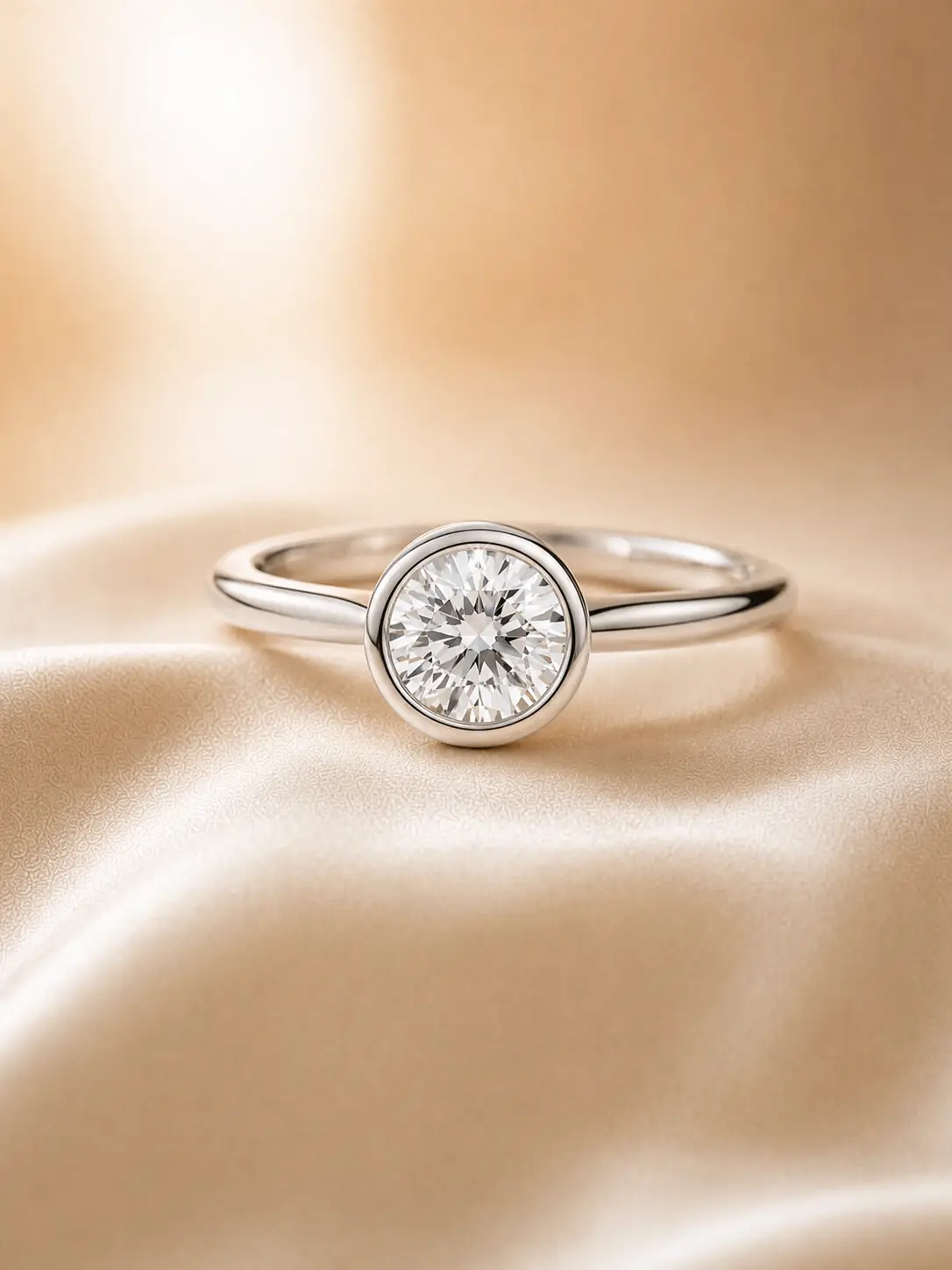
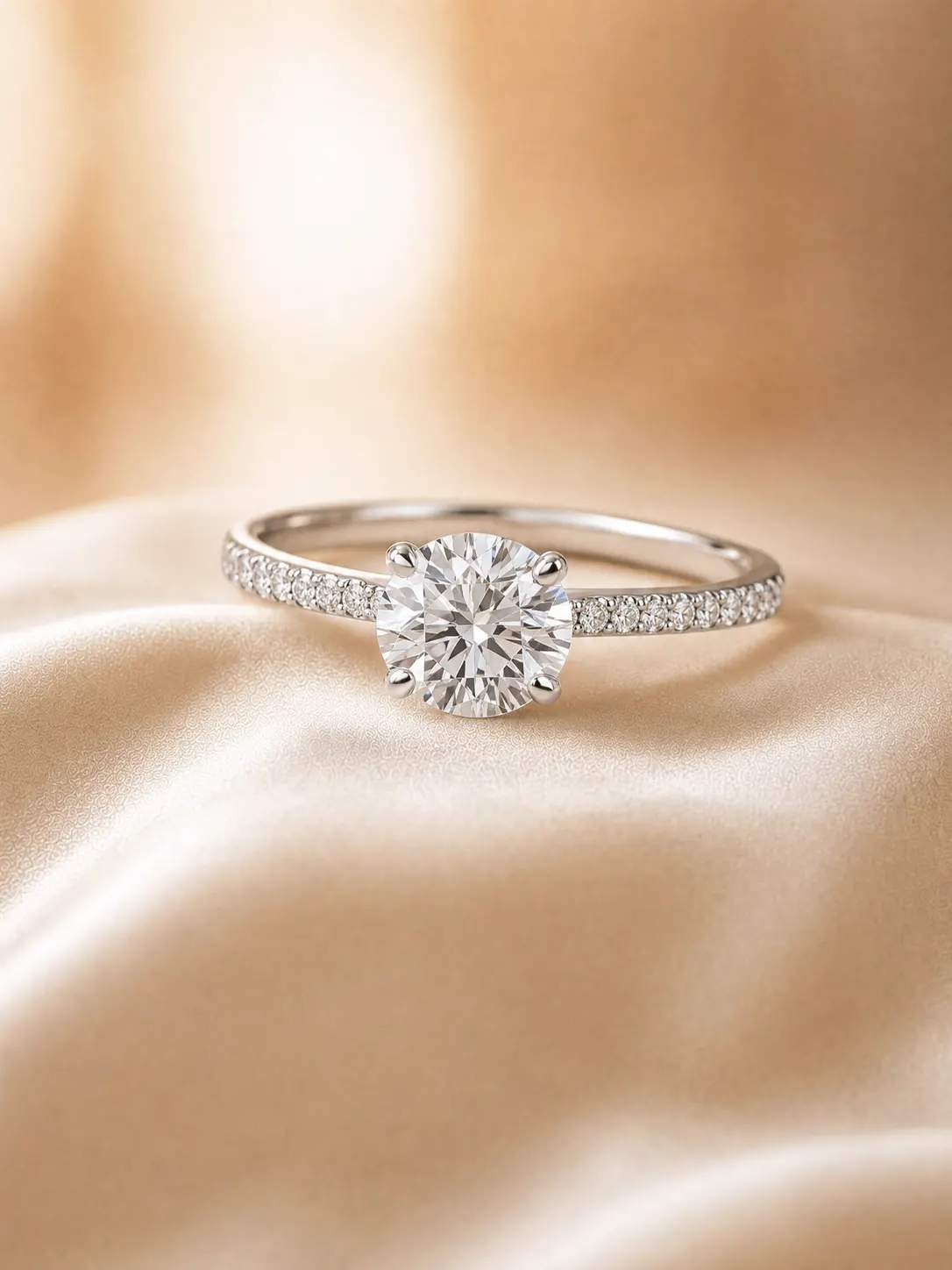
How they actually wear.
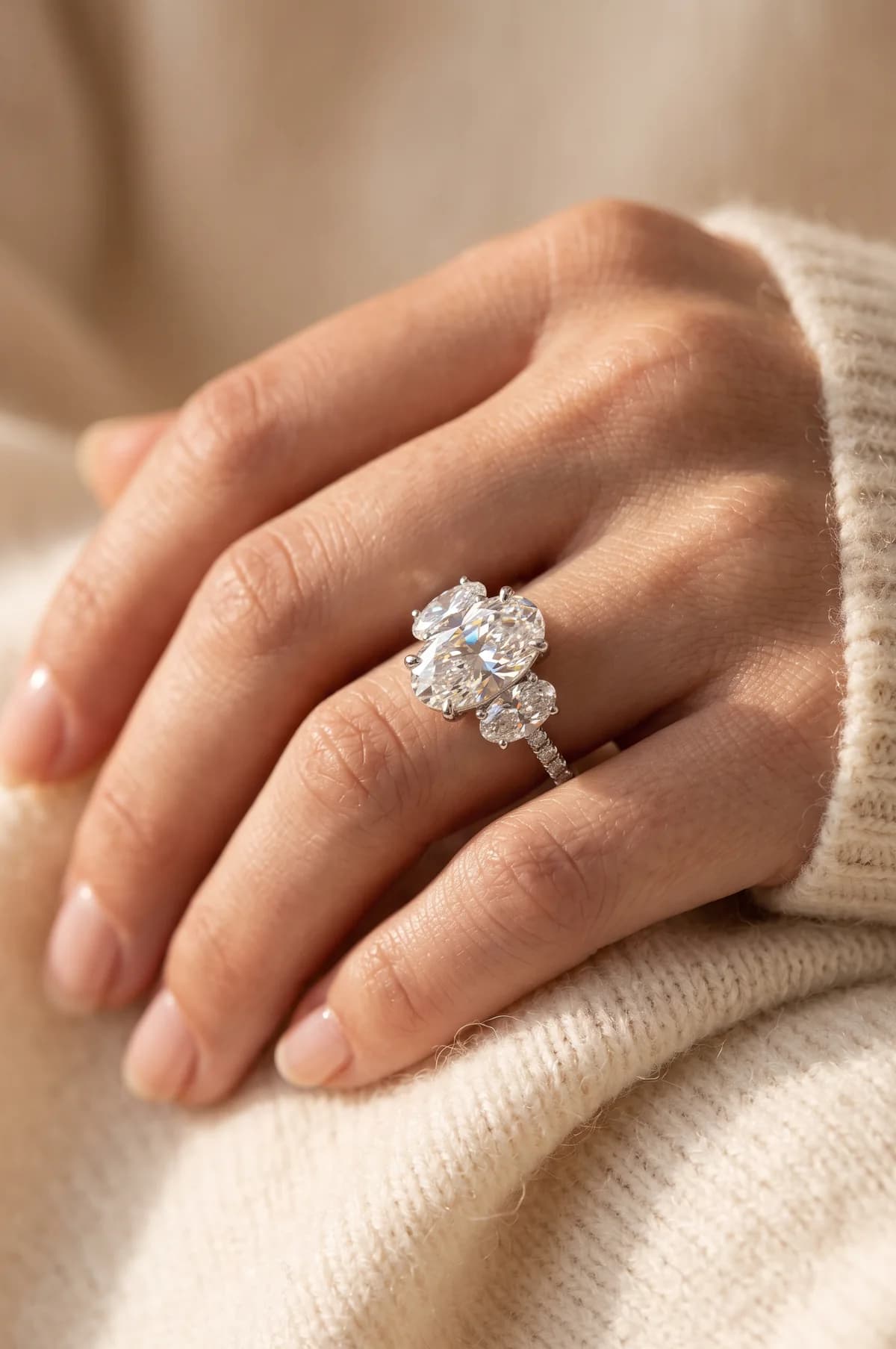
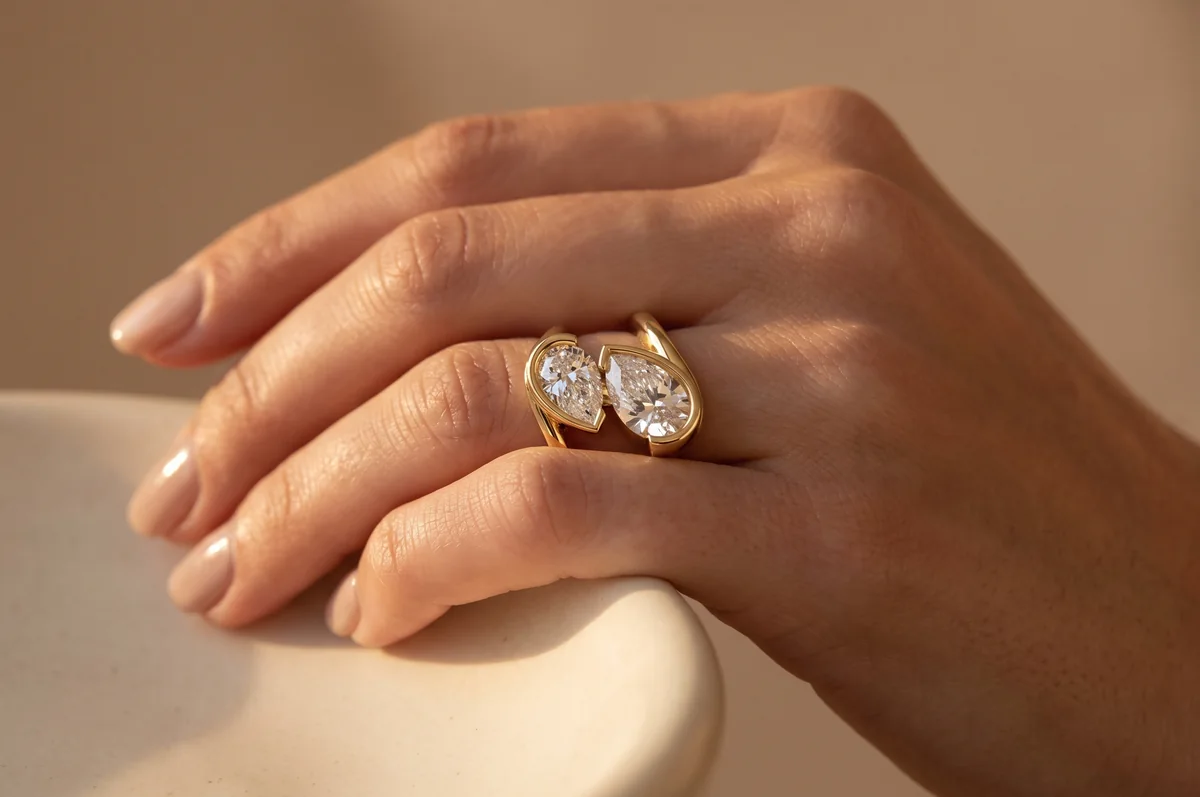
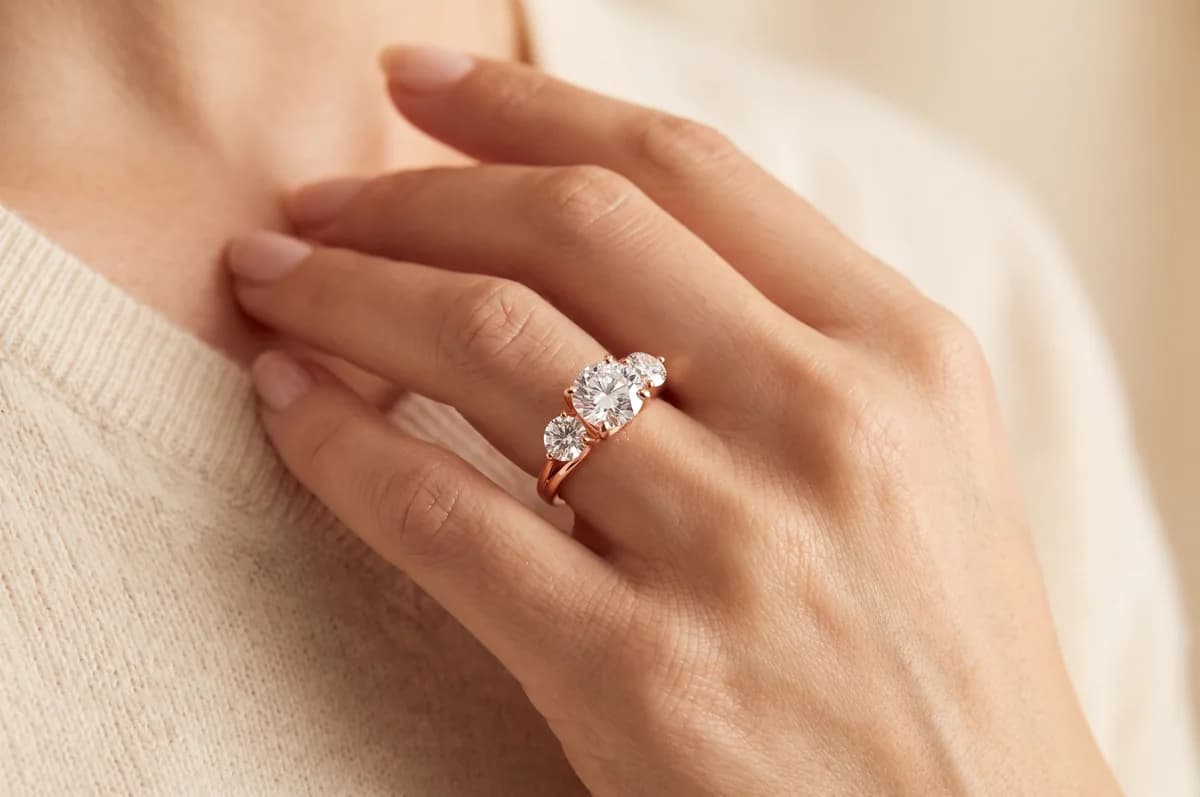
Nine cuts. One stone for every hand.
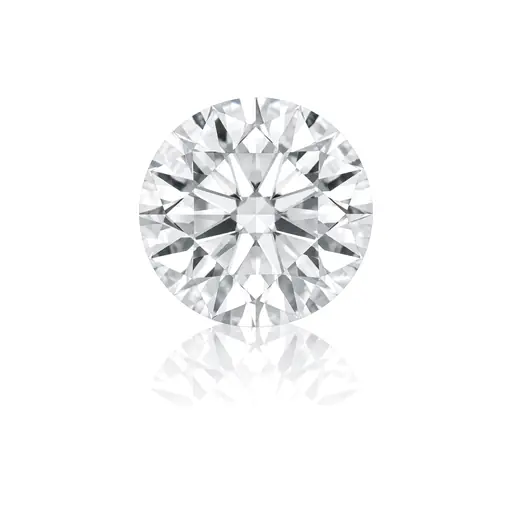
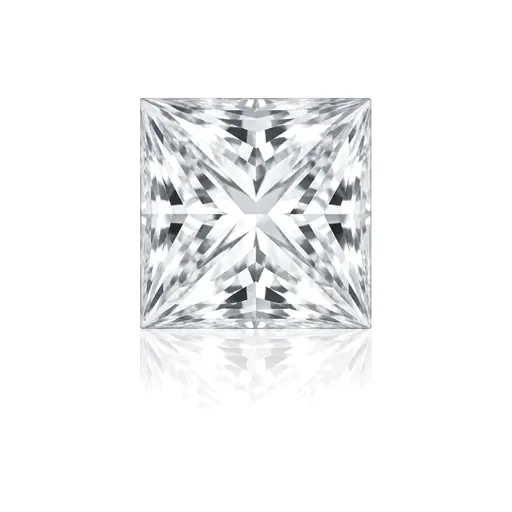
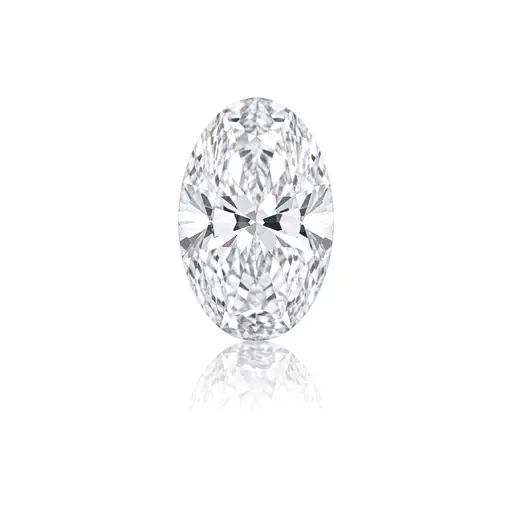
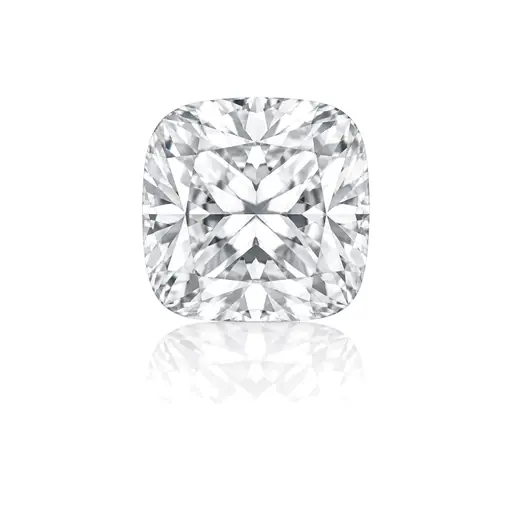
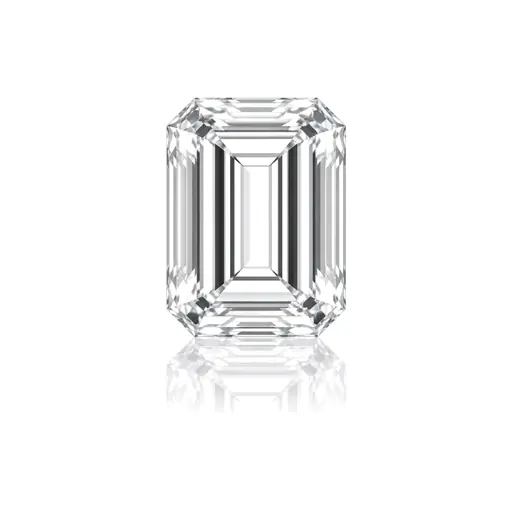
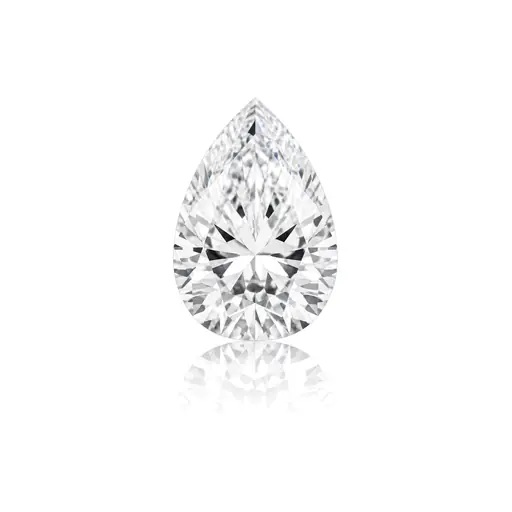
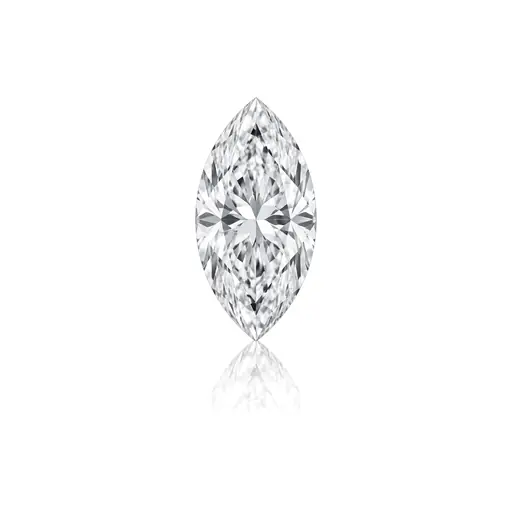
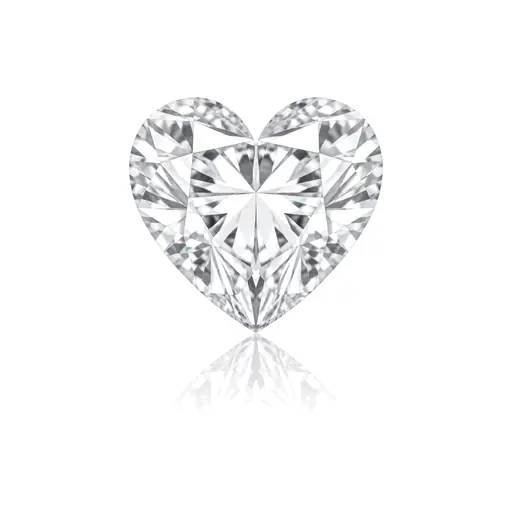
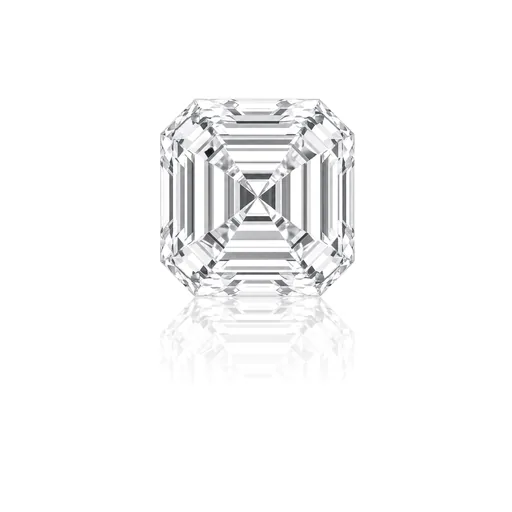
To learn more about each type of diamond shape, head over to our diamond shape guide.
Any carat weight. One that fits her hand.
Carat is the weight of the centre stone — not the ring’s total diamond weight — and it moves the price further than any other single choice. The five below are the weights clients ask for most; each one opens the natural loose stones we hold at that size. They are not the limits of what we set. Our carat size guide walks through what each weight looks like on a hand.
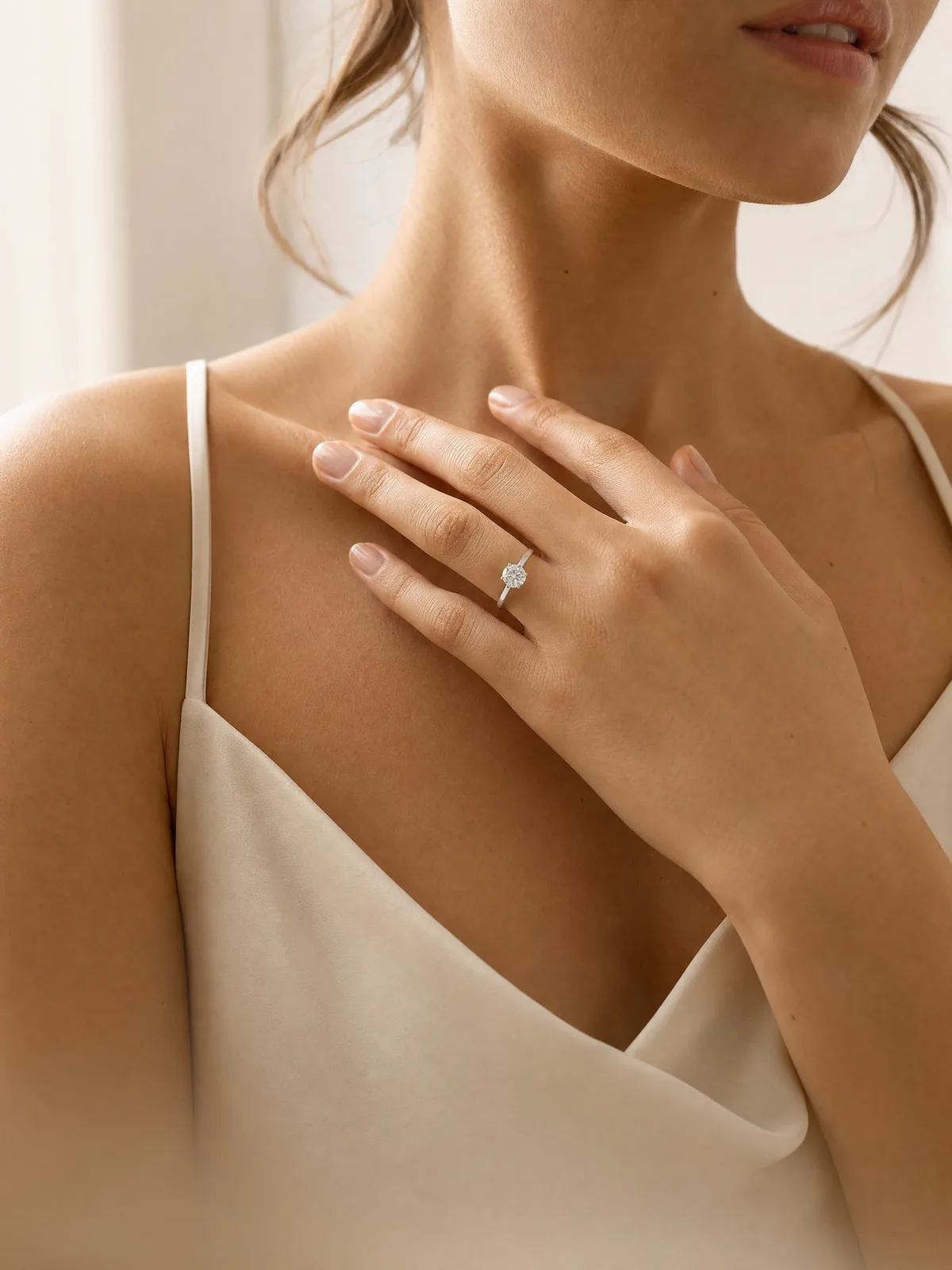
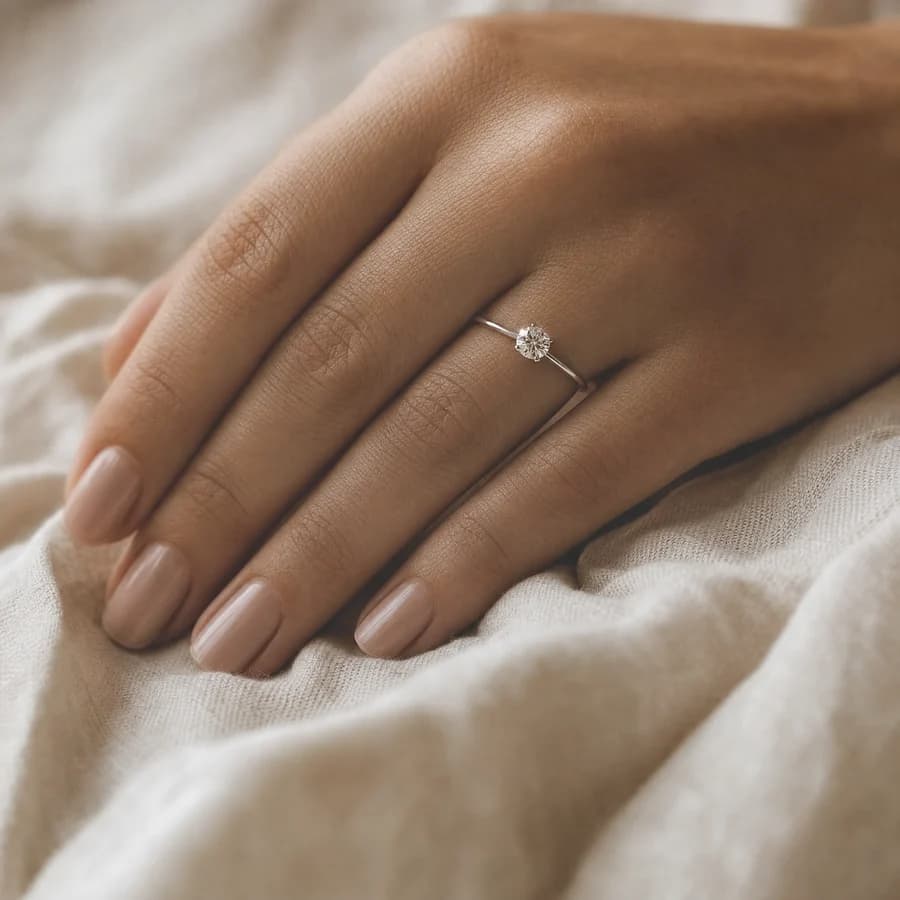
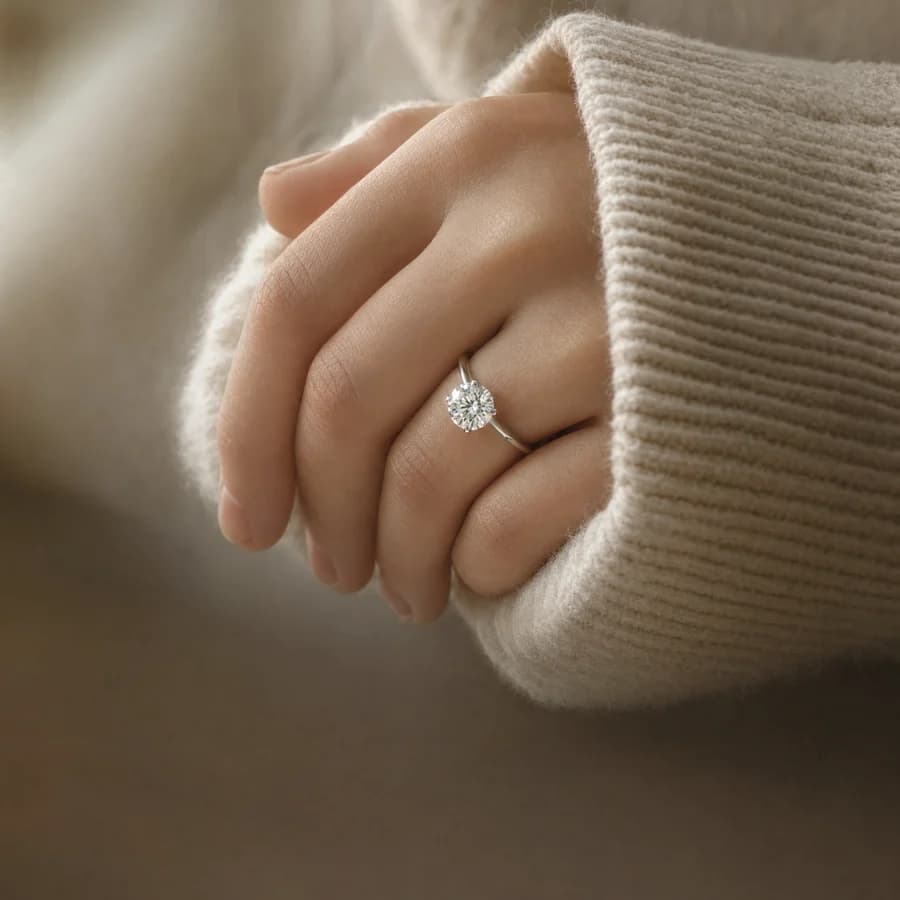
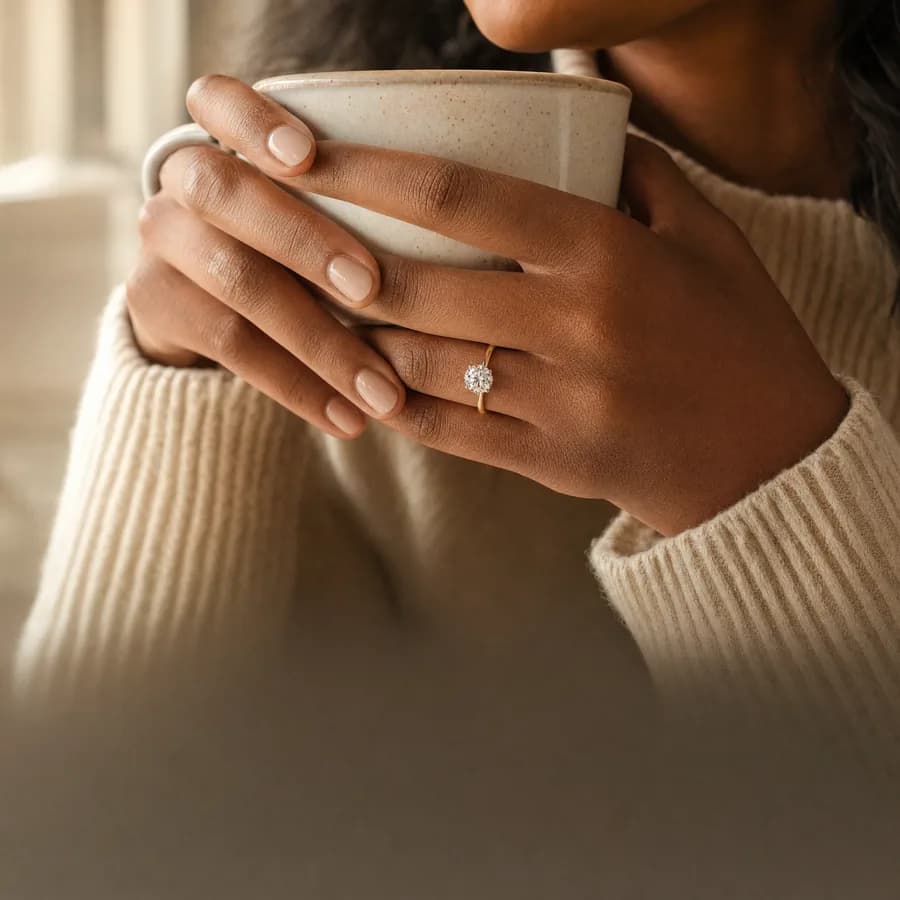
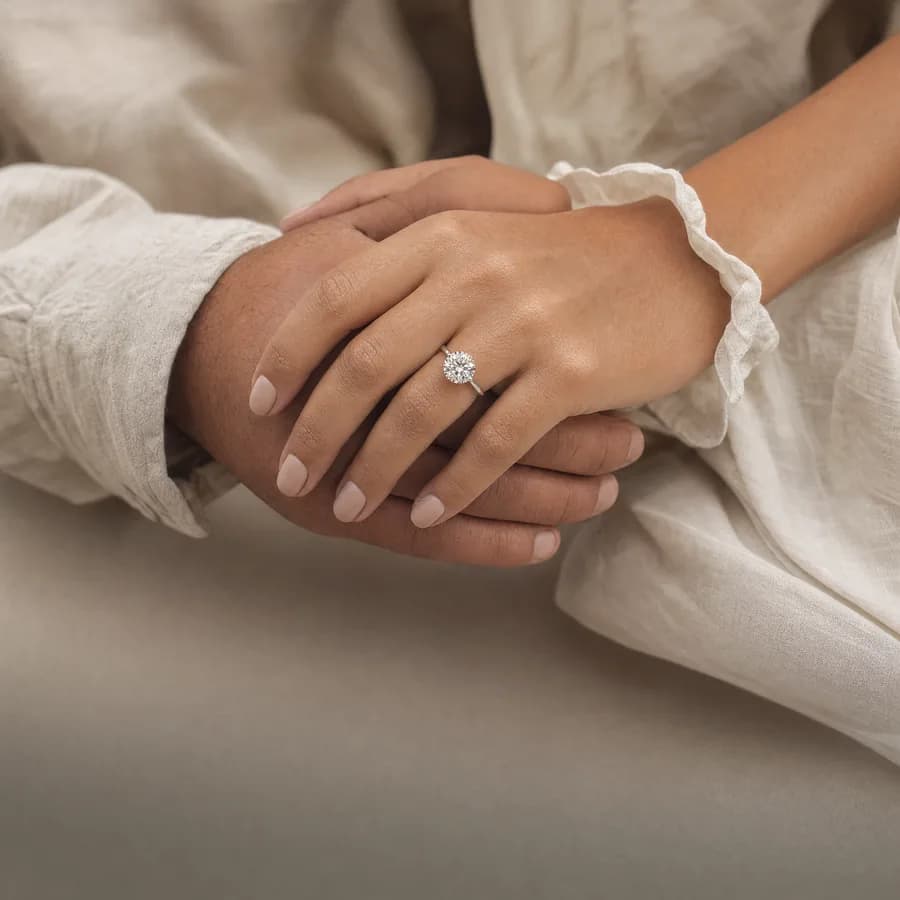
Shape and setting decide the look. Metal decides how it wears.
Colour, weight, cost and upkeep all follow from the metal — and unlike the stone, it is the part of the ring your hand is actually in contact with every day.
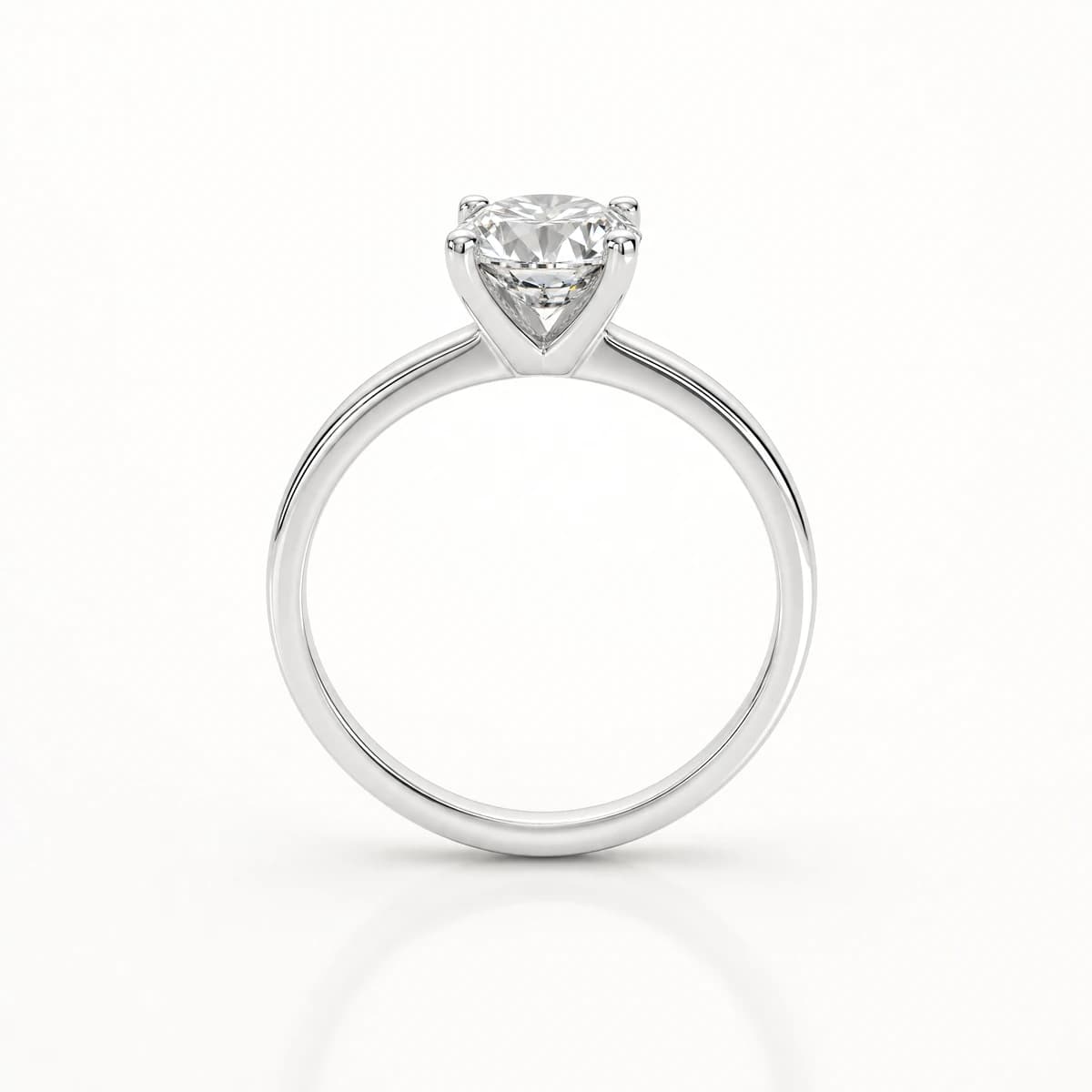
White Metals
White Gold Engagement Rings
The most-purchased metal in the US. Its white surface is a rhodium plating over gold, renewed periodically to keep the tone bright — the trade for a band that sits lighter and slimmer on the hand.
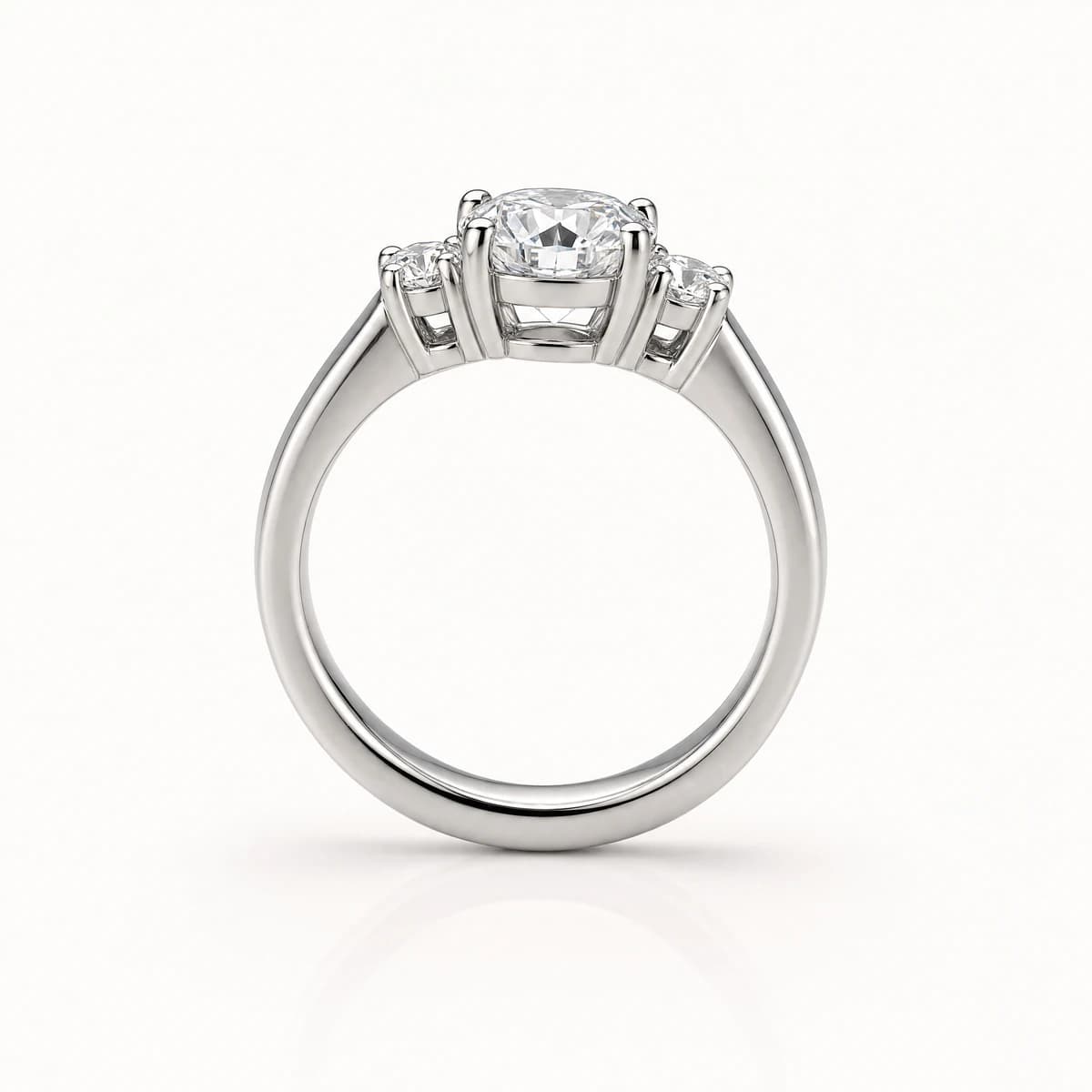
White Metals
Platinum Engagement Rings
Naturally white the whole way through, so there is nothing to re-plate, and hypoallergenic. The denser of the two white metals — heavier on the hand, and it holds prong tension better under a large centre stone.
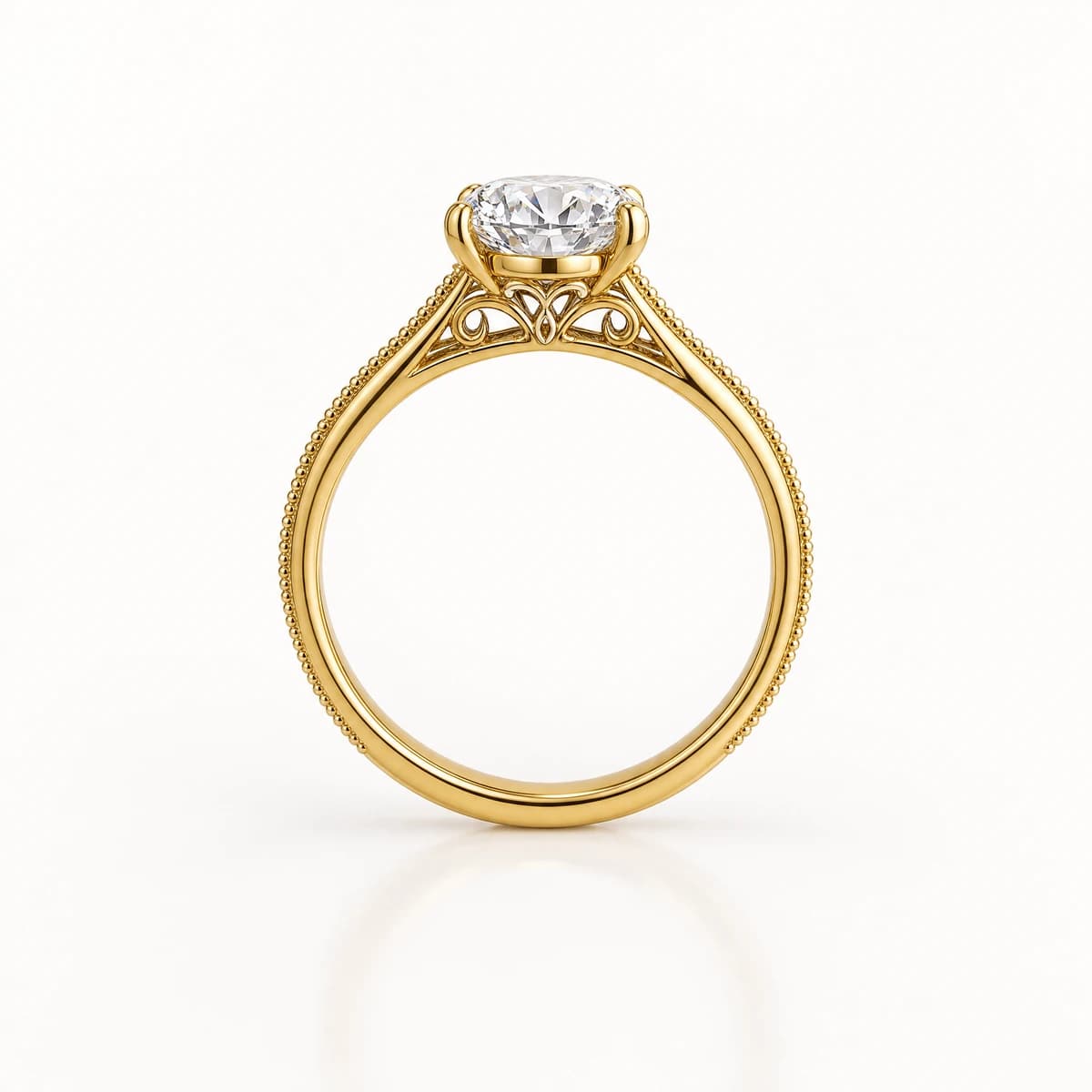
Warm Metals
Yellow Gold Engagement Rings
The traditional warm tone, in 14K and 18K. The colour lives in the alloy rather than on the surface, so it never needs re-plating — the tone it has on the day it is made is the tone it keeps.
Warm Metals
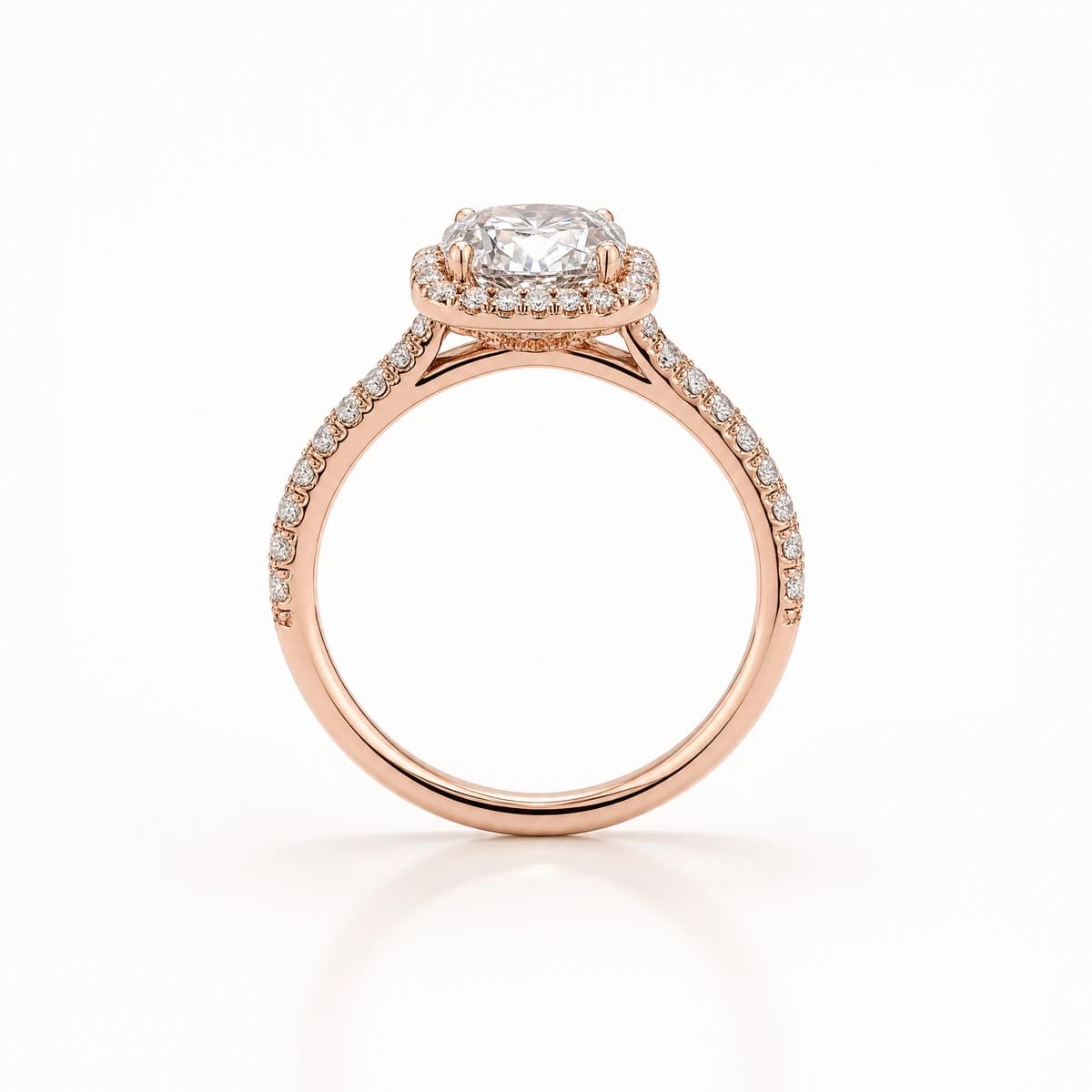
Rose Gold Engagement Rings
Copper in the alloy gives a soft pink cast, warmer than yellow gold and the least traditional of the four. It sits especially well with morganite, champagne diamonds and pearl.
New to metals? Read the engagement ring metals guide →
Or we custom-make the one living in your imagination.
We have made custom jewelry since 2009. Most people arrive with something specific already in mind — a stone, a silhouette, a ring they saw once — and the work is accounting for every detail of it. The three below are design studies, not pieces from the case.
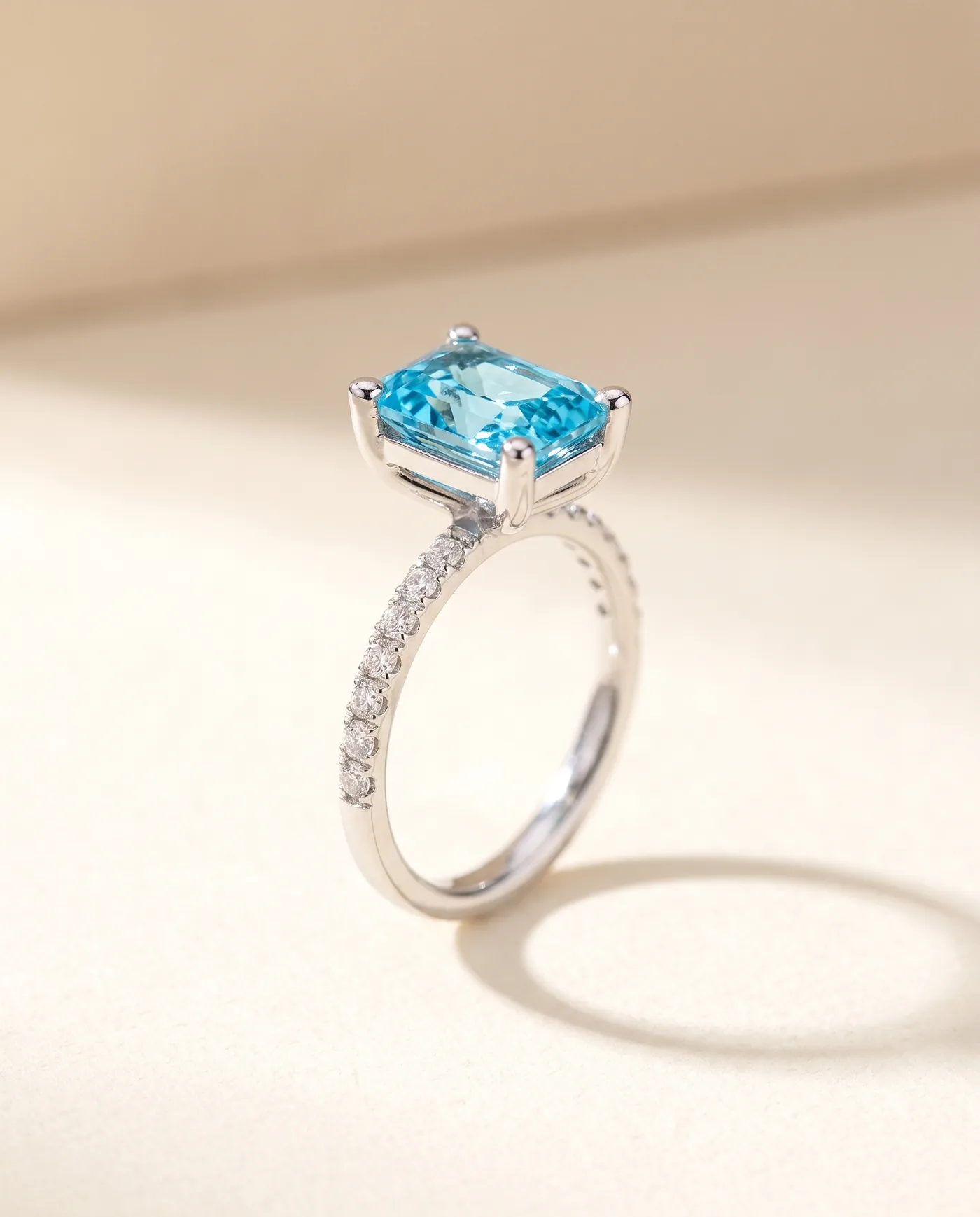
A Stone That Isn’t in the Case
A sky-blue emerald cut, carried on a whisper of pavé.
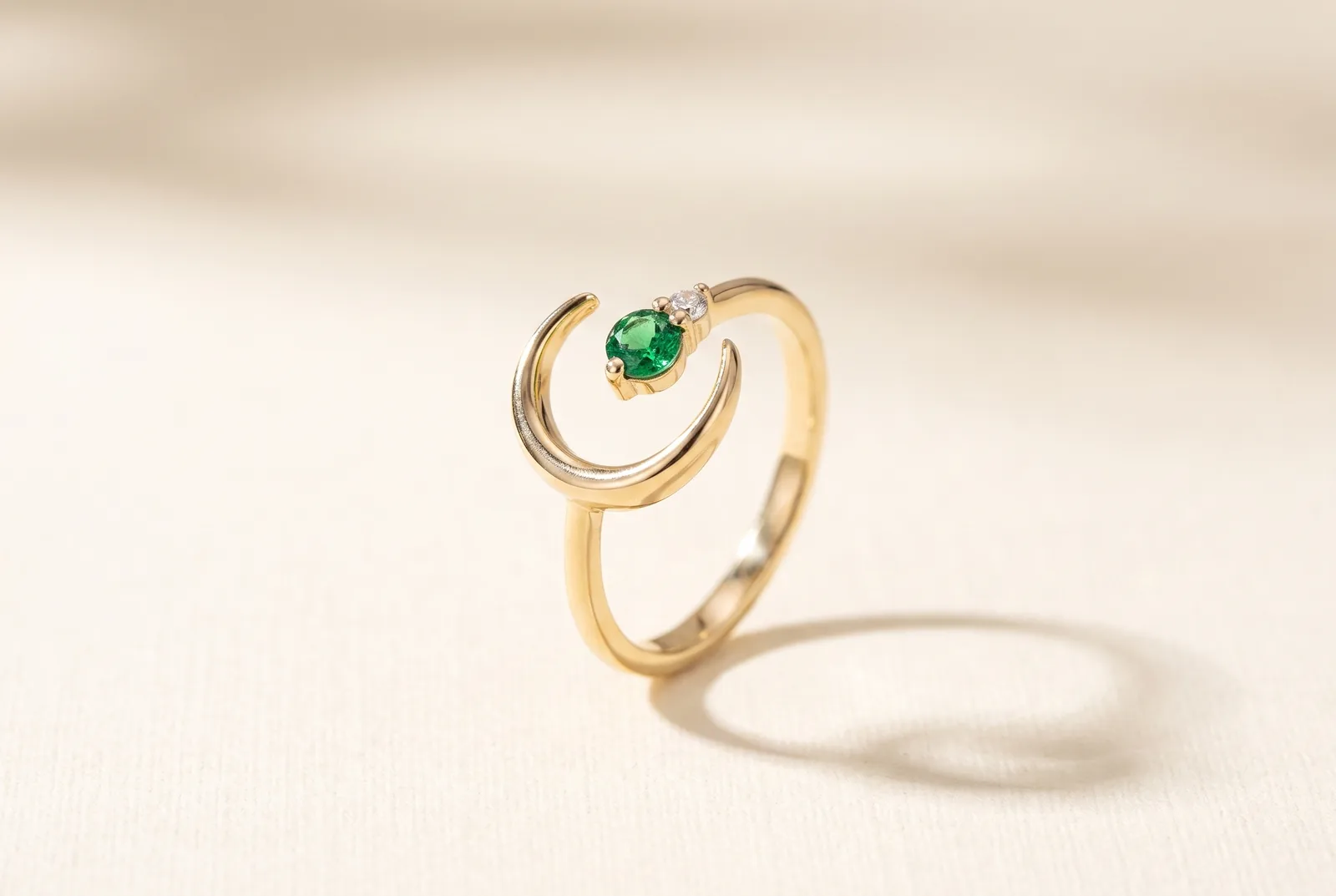
A Form Nobody Stocks
A crescent of yellow gold, holding a green stone and a diamond.
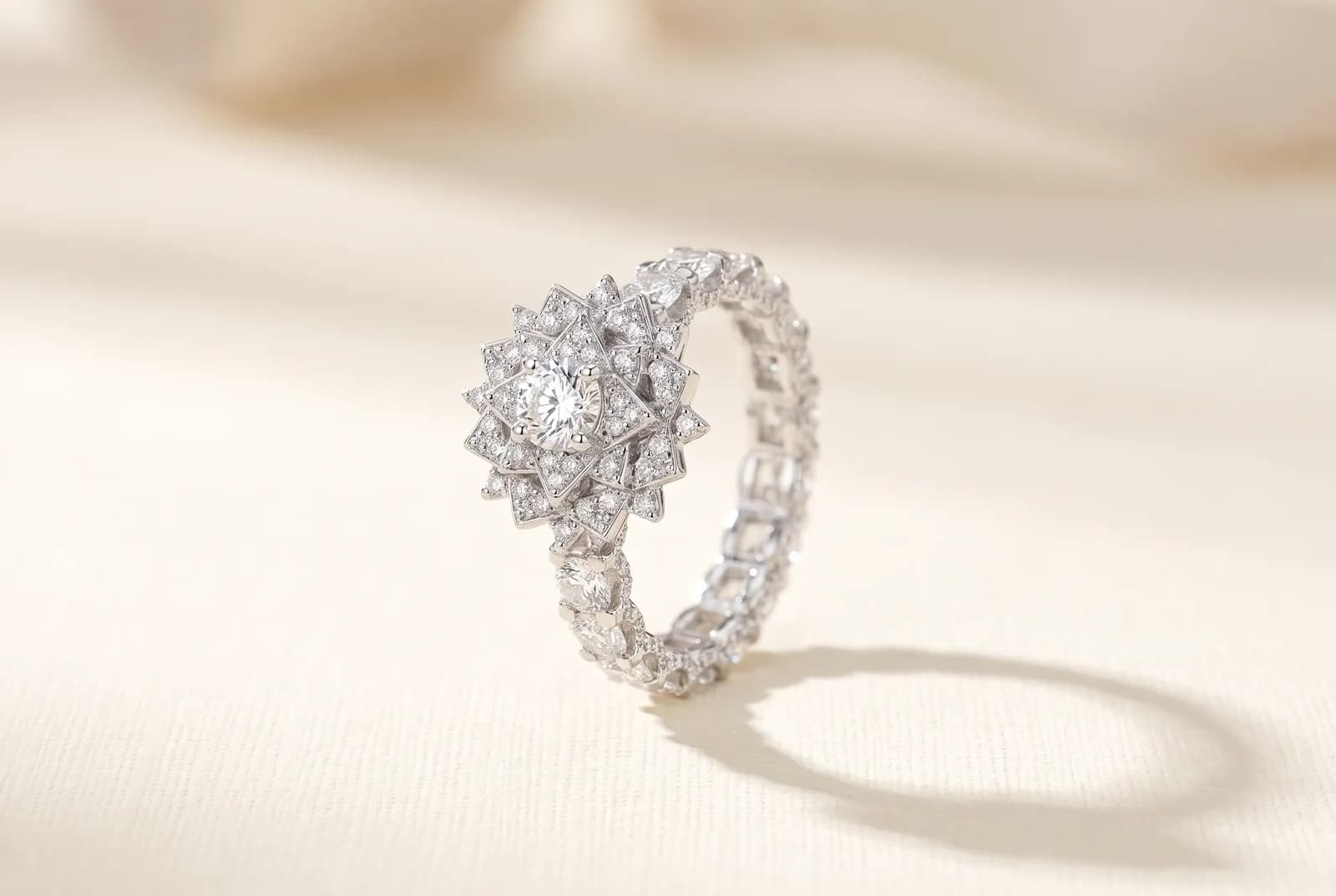
Sparkle, Uninterrupted
A starburst halo over a band set with diamonds edge to edge.
Not sure where to start? See how our custom design process works →
Built for the next fifty years.
Every engagement ring we build comes with our lifetime program: cleaning, prong-tightening, rhodium-plating, resizing, and full diamond trade-up credit. The piece you commission this year is the piece your grandchildren will inherit.
Independently Certified
GIA for natural, IGI for lab-grown
Lifetime maintenance
Cleaning, sizing & re-rhodium
Custom Pieces Designed in Atlanta
Hand-finished in Snellville
Guides & Answers
Answers to the questions couples ask us most.
Frequently Asked Questions
Visit Our Atlanta Showroom
Try it on. Build it with us.
Our Snellville showroom — minutes from Atlanta, Lawrenceville, and Stone Mountain — carries an extensive engagement-ring inventory and can source specific GIA-certified center stones for in-person viewing within 48 hours.
1905 Scenic Hwy, Suite 230, Snellville, GA 30078 · (704) 684-7530